

While museums have traditionally played a dominant role in anchoring artists within the academic art history, contemporary collectors and their foundations now assert a fluid, pluralistic ecosystem. Spanning continents and cultural contexts seven international galleries share their thoughts on whether legacy resides within museum custodianship or emerges from the symbiotic dynamic between institutions and private patronage.
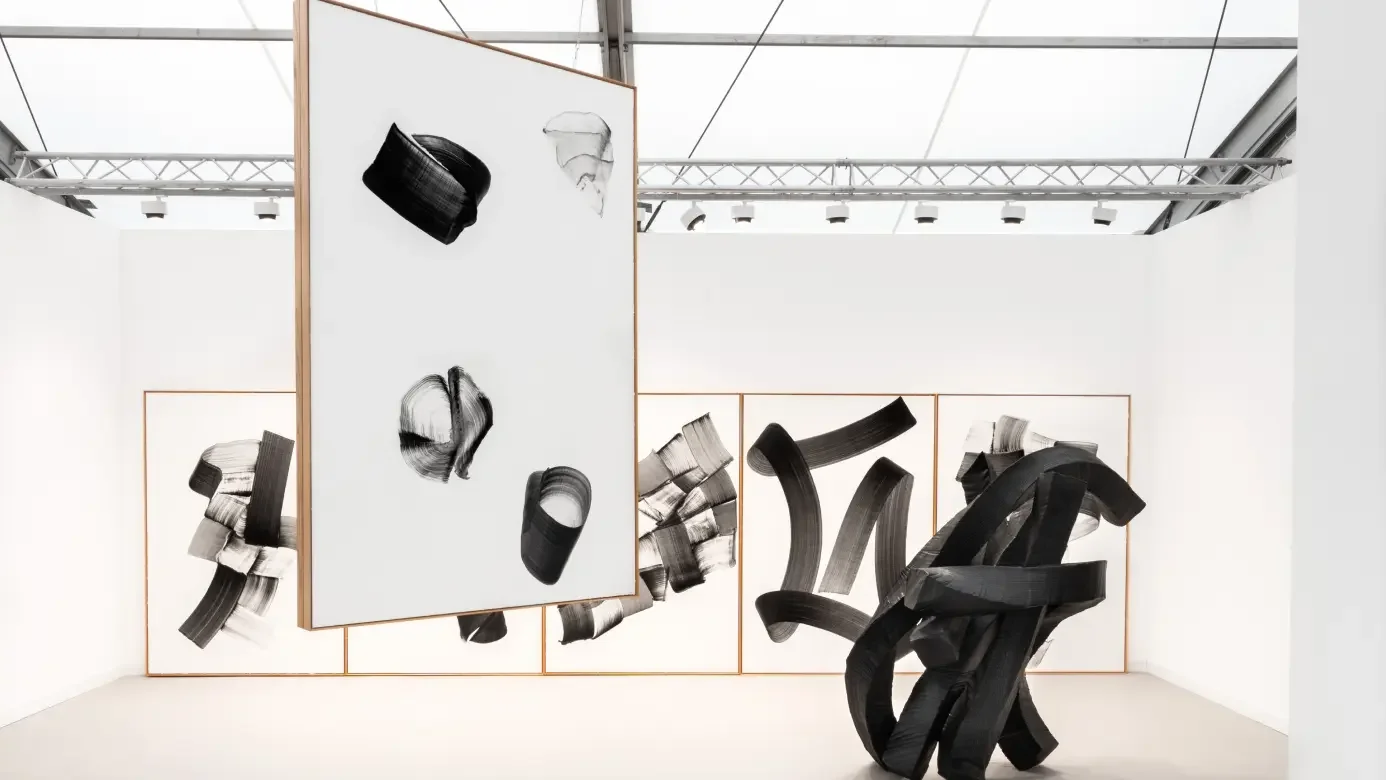
Johyun Gallery, Frieze London, 2024.
1. Johyun Gallery: Busan and Seoul
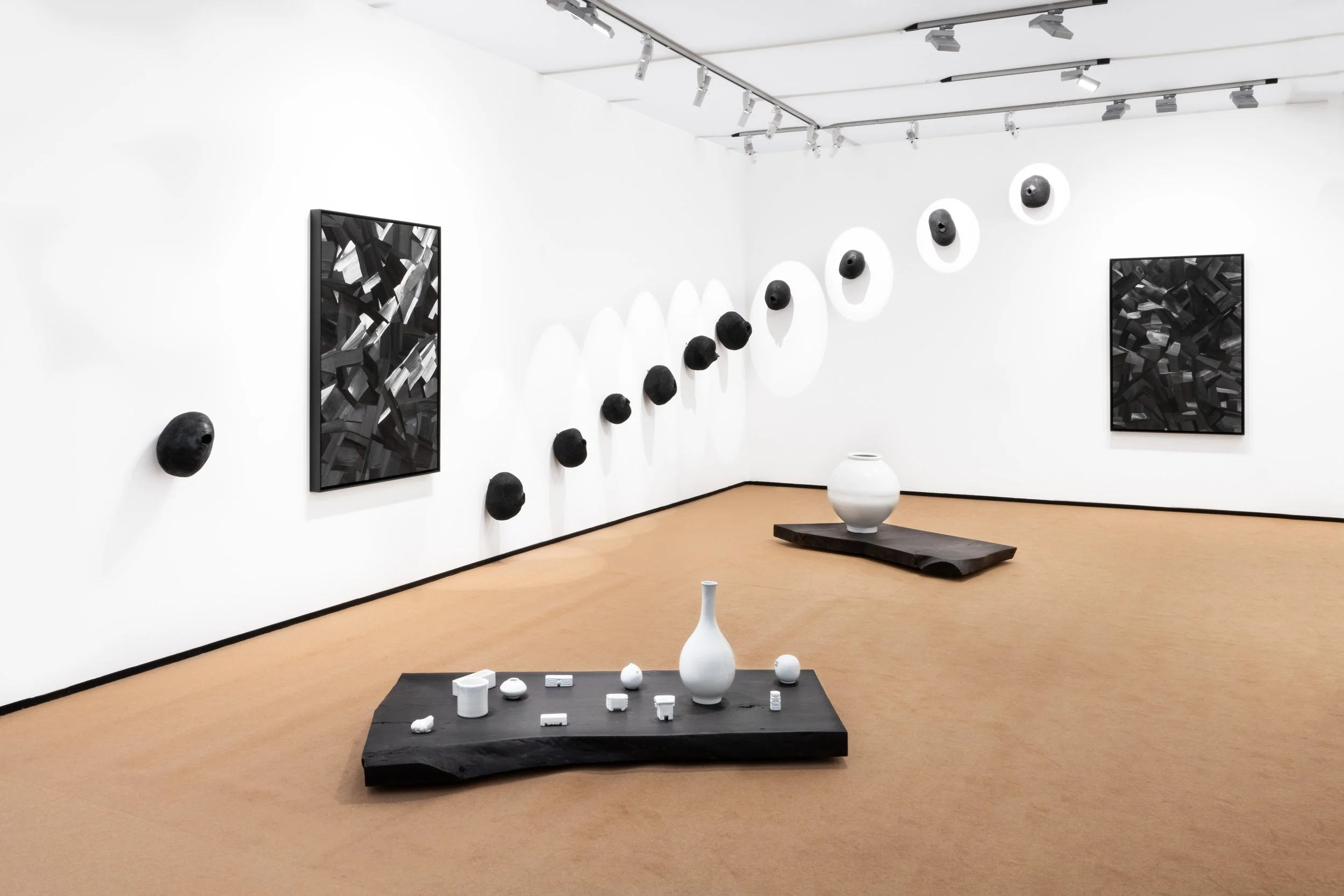
Johyun Gallery, Frieze Masters, 2024. Courtesy of Johyun Gallery.
Institutional acquisition should not be understood as an automatic catalyst for visibility or career acceleration. Its deeper value lies in cultural foresight: preserving an artwork within a public framework where it can be examined, interpreted and experienced across generations. The gallery regards museums as custodians of collective memory, allowing artworks to transcend the market’s immediacy and assume lasting cultural lives. As the President of Johyun Gallery Jaewoo Choi explains, “Our decision is guided not only by where a work is placed today, but by how an artist’s practice can be understood and appreciated over time, and the context in which the work will continue to live.” The gallery equally recognises collectors, whose patronage and advocacy sustain experimentation and contribute to a healthy art ecosystem.
2. Galleria Continua: San Gimignano, Beijing, Les Moulins, Havana, Rome, São Paulo, and Paris
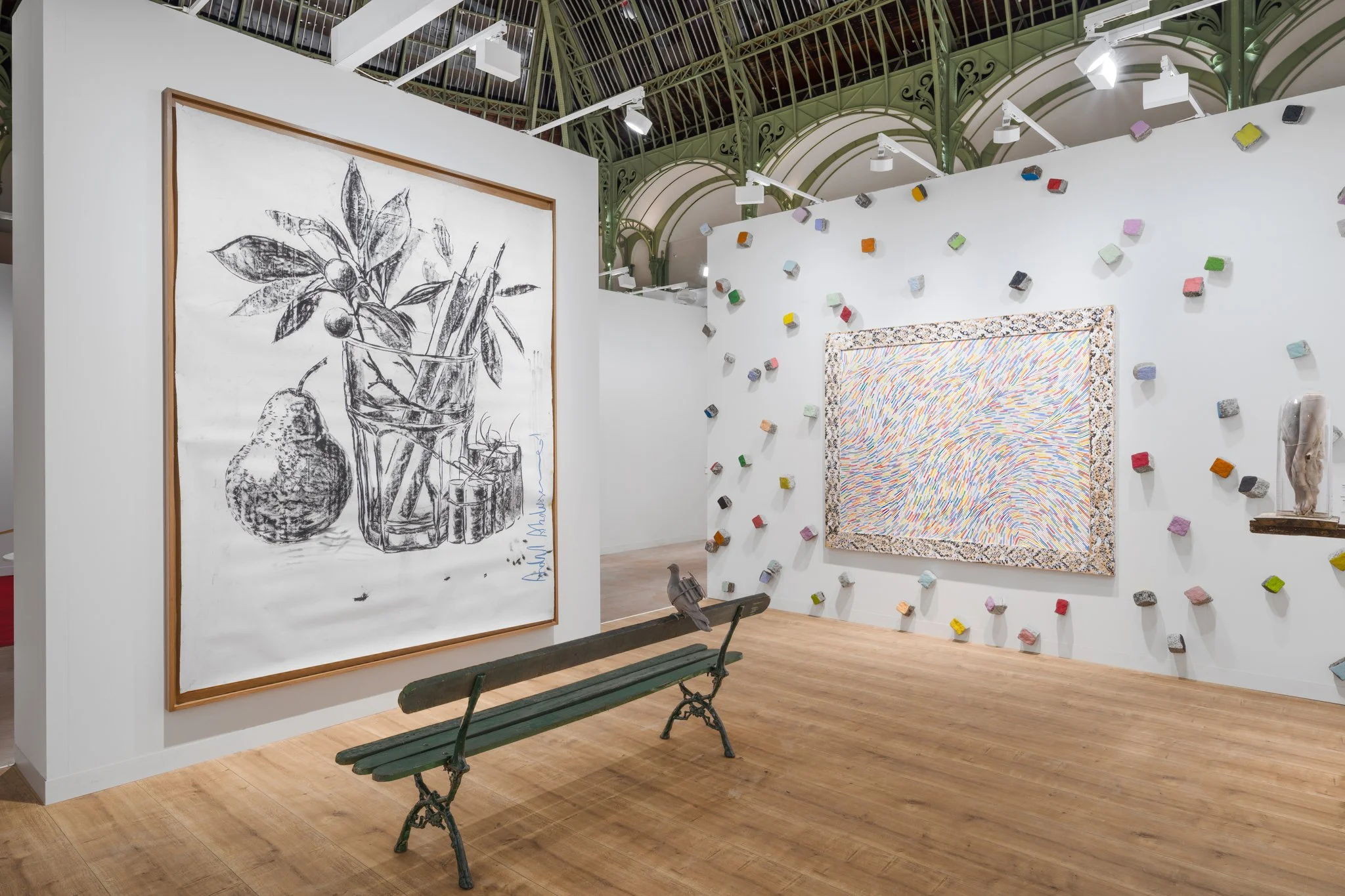
Galleria Continua, Art Basel Paris, 2024. Courtesy of the artists and Galleria Continua. Photo: © Hafid Lhachmi, ADAGP Paris, 2026.
The life of an artwork does not stop at the moment of acquisition. It continues in the cultural dialogues between public institutions, private collections, curators and researchers. This philosophy has long shaped Galleria Continua’s approach. Rather than opposing forces, institutional recognition and private stewardship operate in tandem, each enriching the other. As Co-founder Lorenzo Fiaschi reflects, “What matters most are the relationships built over time, with people and institutions that truly believe in an artist’s work and accompany the development with patience, generosity and vision.”
3. Rossi & Rossi: Hong Kong and London
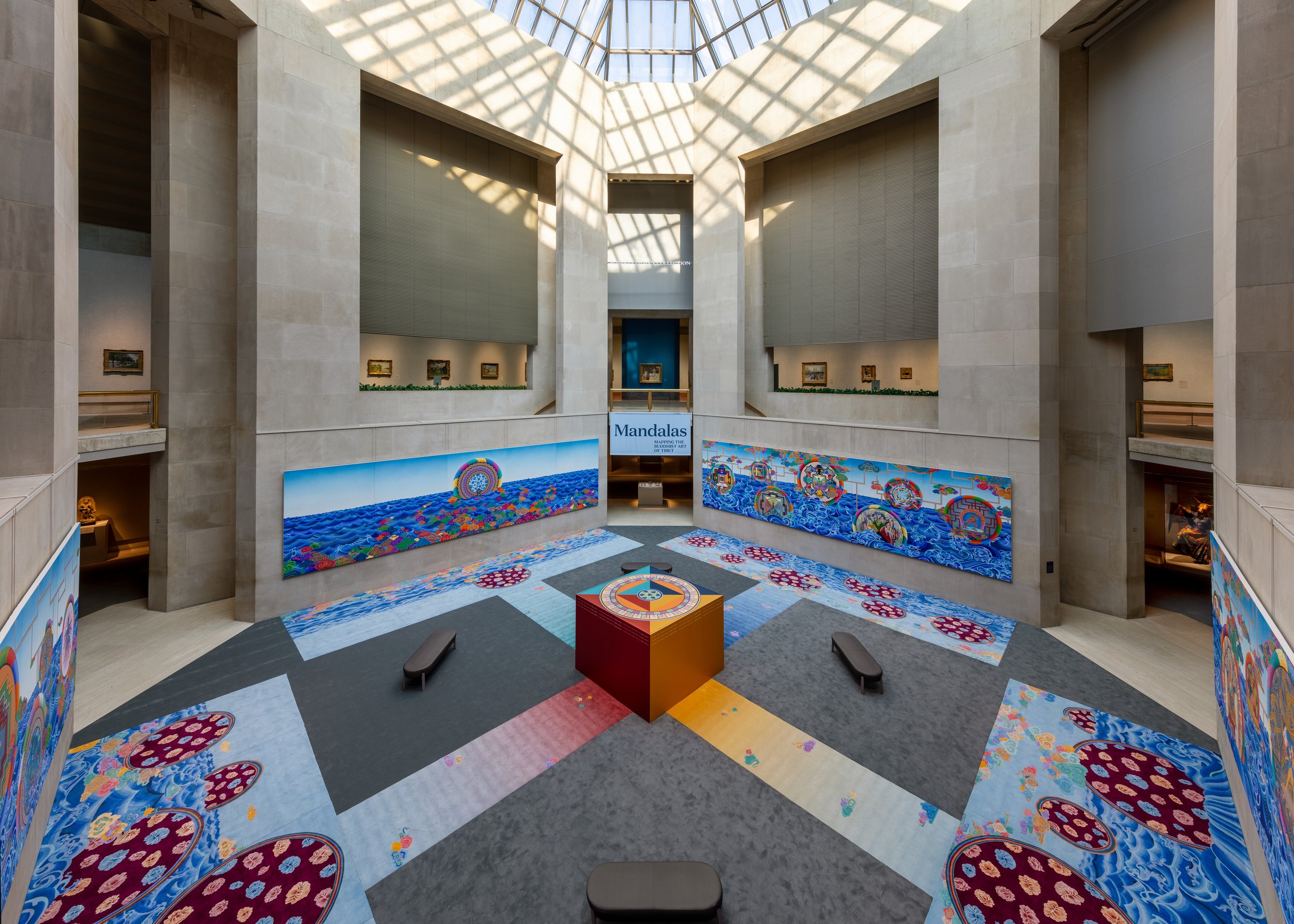
Rossi & Rossi, Tenzing Rigdol at The Met, 2024. Courtesy of the artists and Rossi & Rossi.
In Rossi & Rossi’s view, the pendulum swings decisively towards museums. The gallery regards institutional acquisitions as critical provenance, adding weight to works within the wider art-historical canon. While their long-term impact cannot always be predicted, their influence can be profound. The gallery cites Tsherin Sherpa’s acquisition by the Virginia Museum of Fine Arts as a defining catalyst, leading to a mid-career retrospective across the United States and elevating his international profile. Similarly, Tenzing Rigdol’s inclusion in Mandala at The Metropolitan Museum of Art reinforced his global recognition. As Founder Fabio Rossi observes, “Museums retain a stronger authority as they are public institutions.”
4. The 1897: Lagos
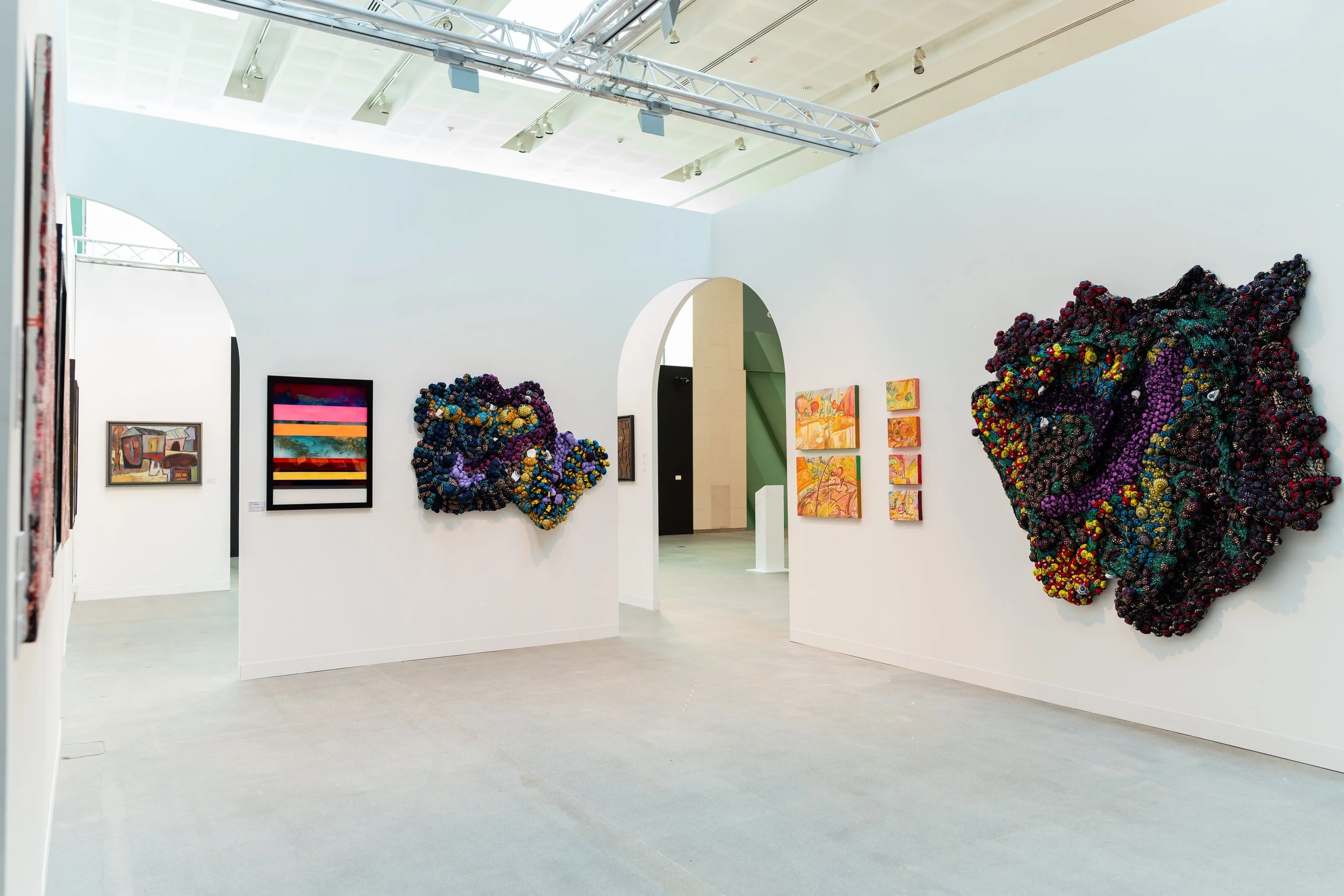
The 1897, Abu Dhabi Art, 2025. Courtesy of The 1897.
As one of Africa’s younger galleries, The 1897 has witnessed the gradual decentralisation of connoisseurship. While museums continue to hold a custodian role, they now exist alongside an expanding network of private collectors and foundations. As Founder Sosa Omorogbe reflects, “The collectors who continue to show up, follow an artist’s development, and advocate for their work over many years have been some of the most important partners in helping our artists build lasting careers.” For Omorogbe, artistic longevity is shaped through an ongoing process of collective responsibility, preservation and intellectual engagement.
5. Casas Riegner: Bogotá
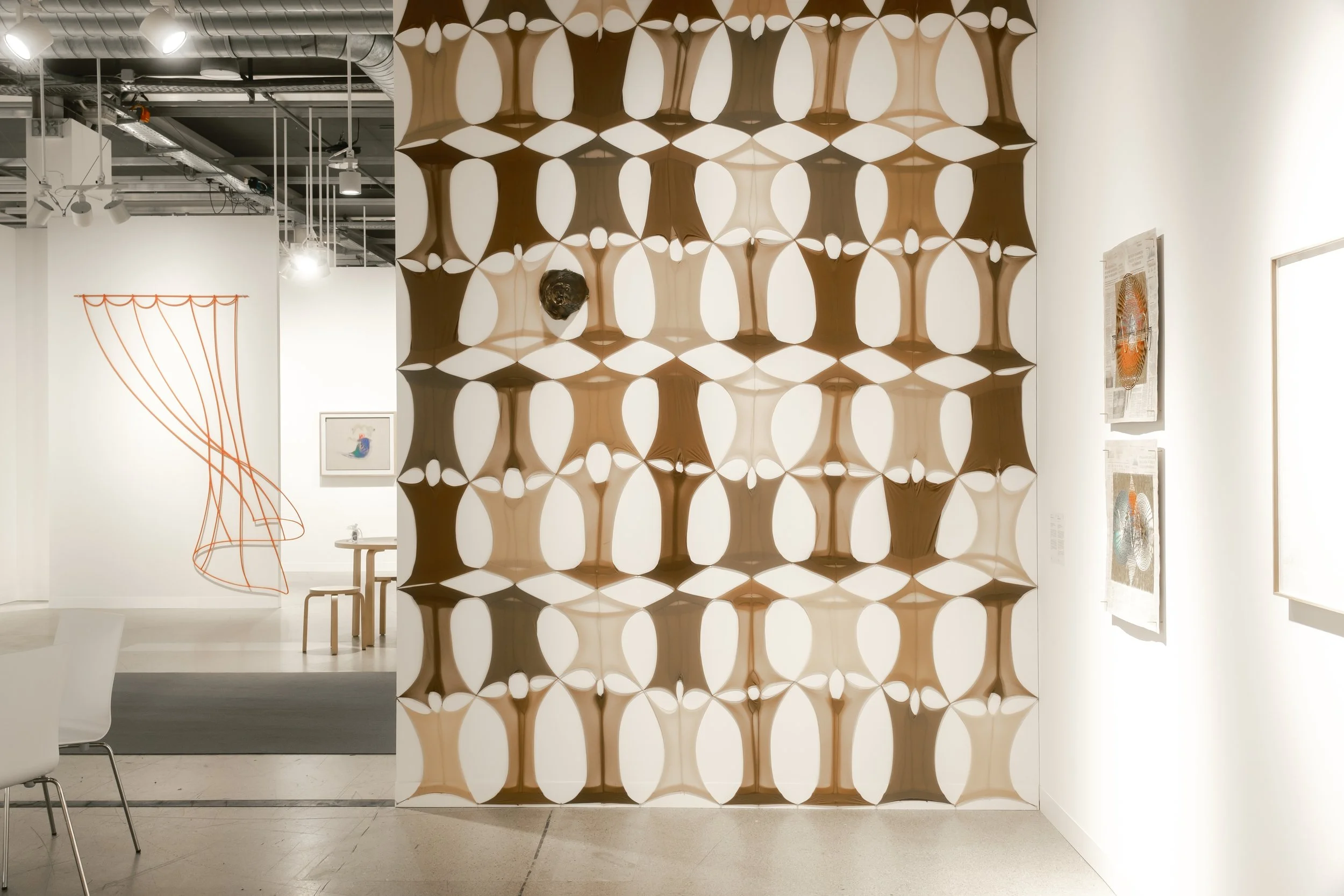
Casas Riegner, Art Basel Basel, 2026. Courtesy of Casas Riegner. Photo: René Thoma.
“We are always prioritising the artist’s long-term career, and this can sometimes require commercial sacrifices in the short term. We take pride in building our artists’ careers - an endeavour that requires vision, time, dedication and care”, shares Paula Bossa, Director of Casas Riegner. Choosing placement within a public collection over individual’s is not counter-intuitive, but a commitment to lasting impacts, especially for emerging artists. Institutional endorsements represent meaningful milestones, which could open avenues for broader cultural reading and public engagement.
6. Leila Heller Gallery: New York and Dubai

Leila Heller Gallery, Nomad Art Fair, Hamptons 2026. Courtesy of Leila Heller Gallery. Photo: Ivan Erofeev.
When asked whether the gallery would favour institutional or individual placements, Founder Leila Heller responds, “We always present our recommendation, but we believe the final decision should remain with the artist.” This philosophy reflects the gallery’s commitment to respecting artists’ agency, recognising the artists as the authors of their own trajectories. Heller maintains that museums offer enduring structures for preservation, research and engagement, which could potentially raise the commercial and cultural visibility for an artist.
7. Dirimart: Istanbul and London

Dirimart, site-specific installation by Ayşe Erkmen, Frieze Seoul, 2025. Courtesy of the artist and Dirimart. Photo: Yosuke Kojima.
An artwork’s resonance is shaped not only by where it is placed, but by the depth of engagement that follows. International Gallery Director Levent Özmen emphasises that museum acquisitions are often the result of a three-way conversation, between the institution, the gallery and the artist. While such placements can offer significant value, Özmen cautions against viewing them as guarantees of long-term visibility. “The long-term significance of museum acquisitions can sometimes be overstated. But again it is hard to tell, depending on how the museum treats the particular piece”, he notes, highlighting the evolving nature of curatorial priorities. Recognising this limitation, the gallery extends its contribution to scholarship through its publishing arm, with its publications distributed to museum libraries whenever possible to encourage further research and critical study.