

Amid the vast, undulating landscape of the Western Ghats, Dharana at Shillim was an invitation to step away from the familiar rhythms of everyday life. My mother and I had come here for a little retreat of our own, a few days to slow down, with the hills for company. Formerly the Hilton Shillim Estate Retreat & Spa, the property has since evolved into a more considered approach to wellbeing, one that feels less like a programme to be followed than an opportunity to recalibrate, allowing the natural world to set the pace.
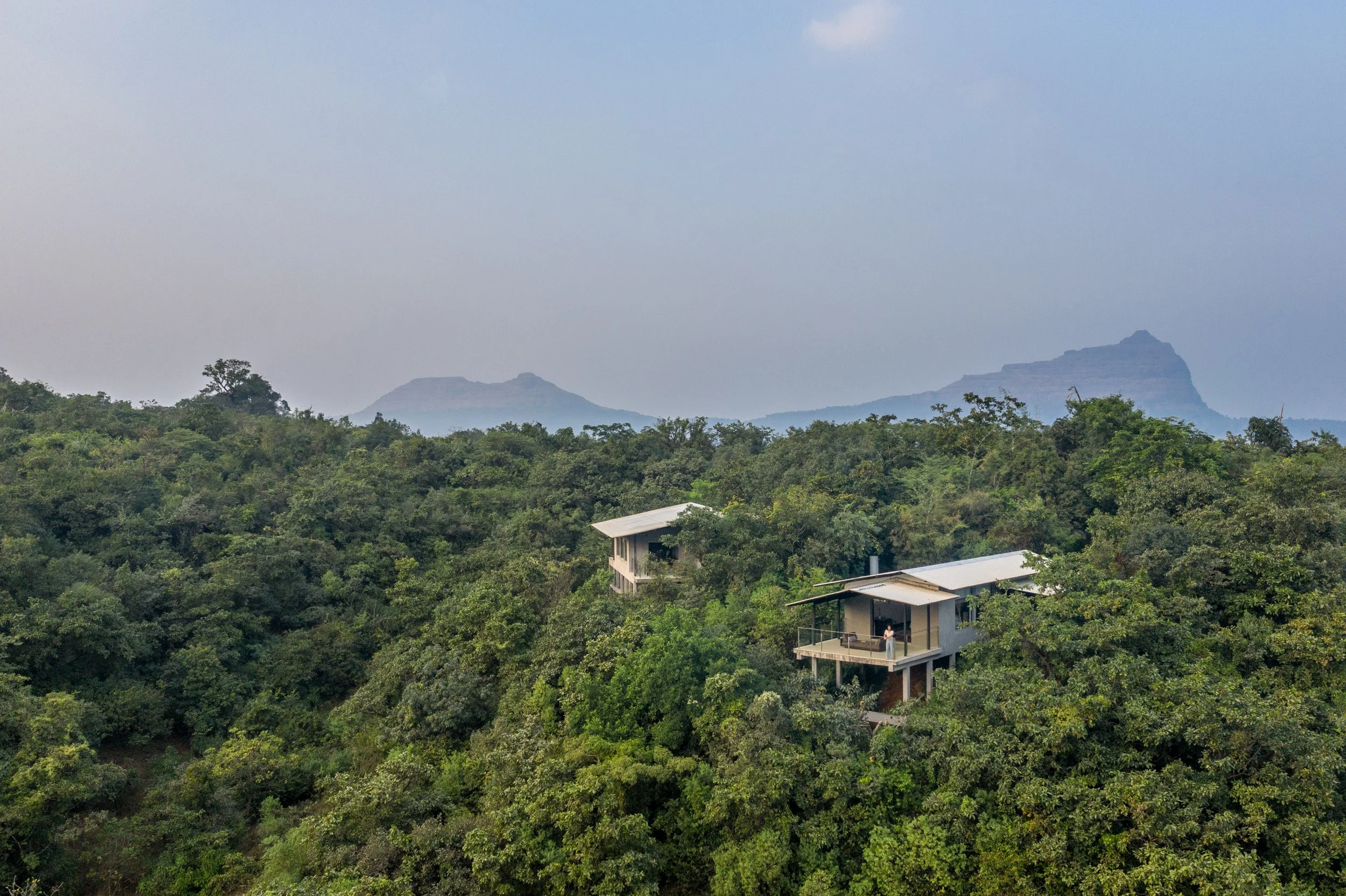
Dharana, drawn from Sanskrit, refers to the practice of holding the mind’s attention steady. Spending a few days here brought that philosophy into sharper focus; away from our usual routines, there was room to notice the small things, and to let the hours pass without needing to fill them. That sensibility is rooted in the land itself. What is now a protected, carefully cultivated valley was shaped over decades by a conservation vision led by two brothers, who recognised the potential of terrain depleted by years of agricultural use. Their efforts gradually redirected the landscape from cultivation towards regeneration. Trees were replanted on an extensive scale, ecosystems began to recover, and the valley slowly developed a renewed ecological character. The initiative grew through the Shillim Institute, established in the late 1990s, and eventually contributed to the revival of more than a million trees across the surrounding terrain.
The architecture and landscape were developed in collaboration with Margie Ruddick, the Philadelphia-based landscape architect, and Steven Harris, the New York-based design architect. Yale architecture students subsequently contributed design concepts for the site, which were reviewed by senior architects to ensure that they remained faithful to the broader vision and responsive to the character of the landscape. The result is a built environment shaped by an understanding that the land is not a backdrop to the experience, but its very foundation.
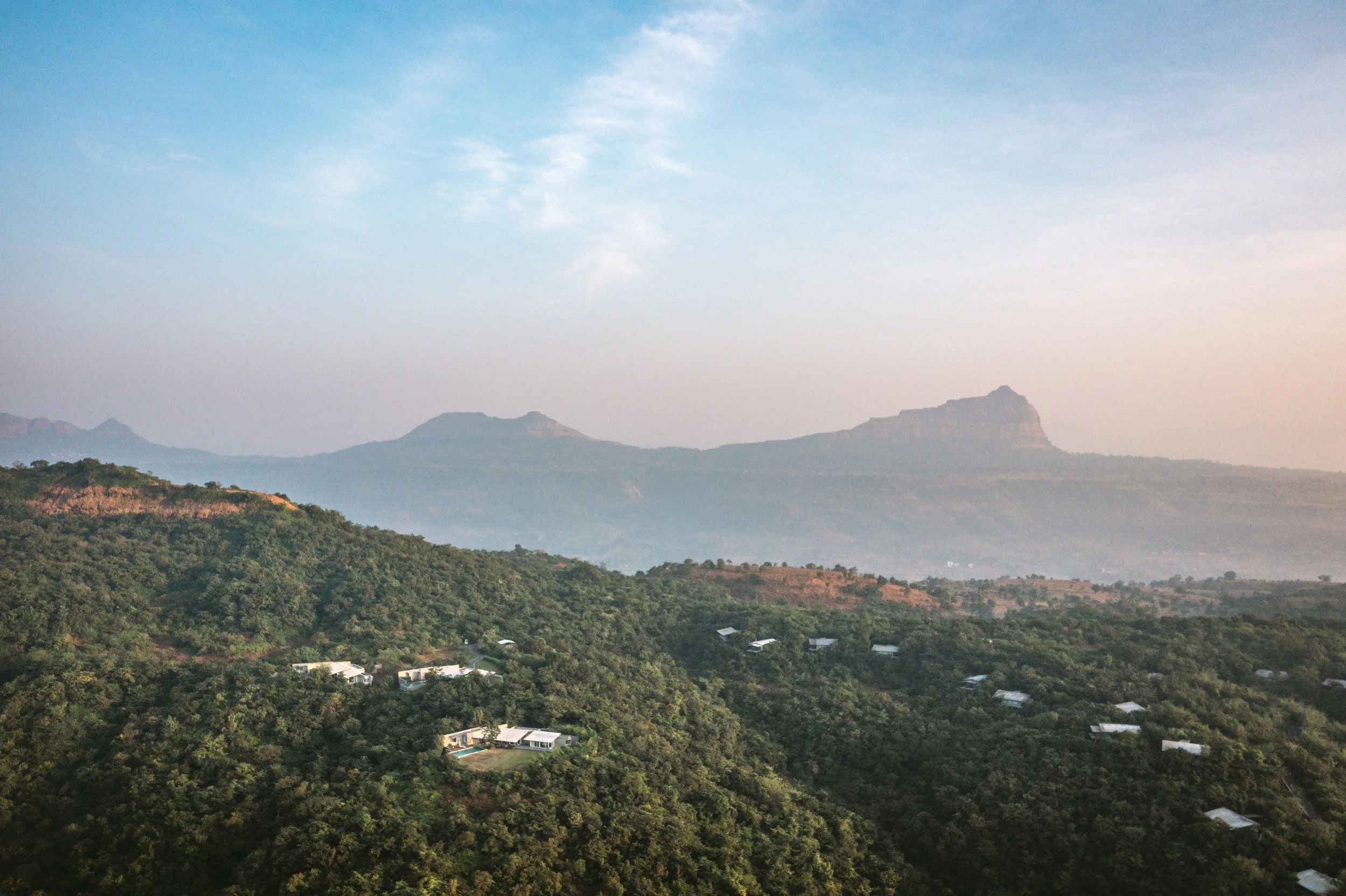
Reaching the valley requires a gradual departure from the pace of everyday life. Driving from Mumbai, my mother and I watched the road wind into increasingly softer terrain, the traffic thinning as the hills and vegetation began to take over. By the time we arrived, the transition had already begun, almost imperceptibly, in the gradual falling away of the noise and urgency we had left behind.
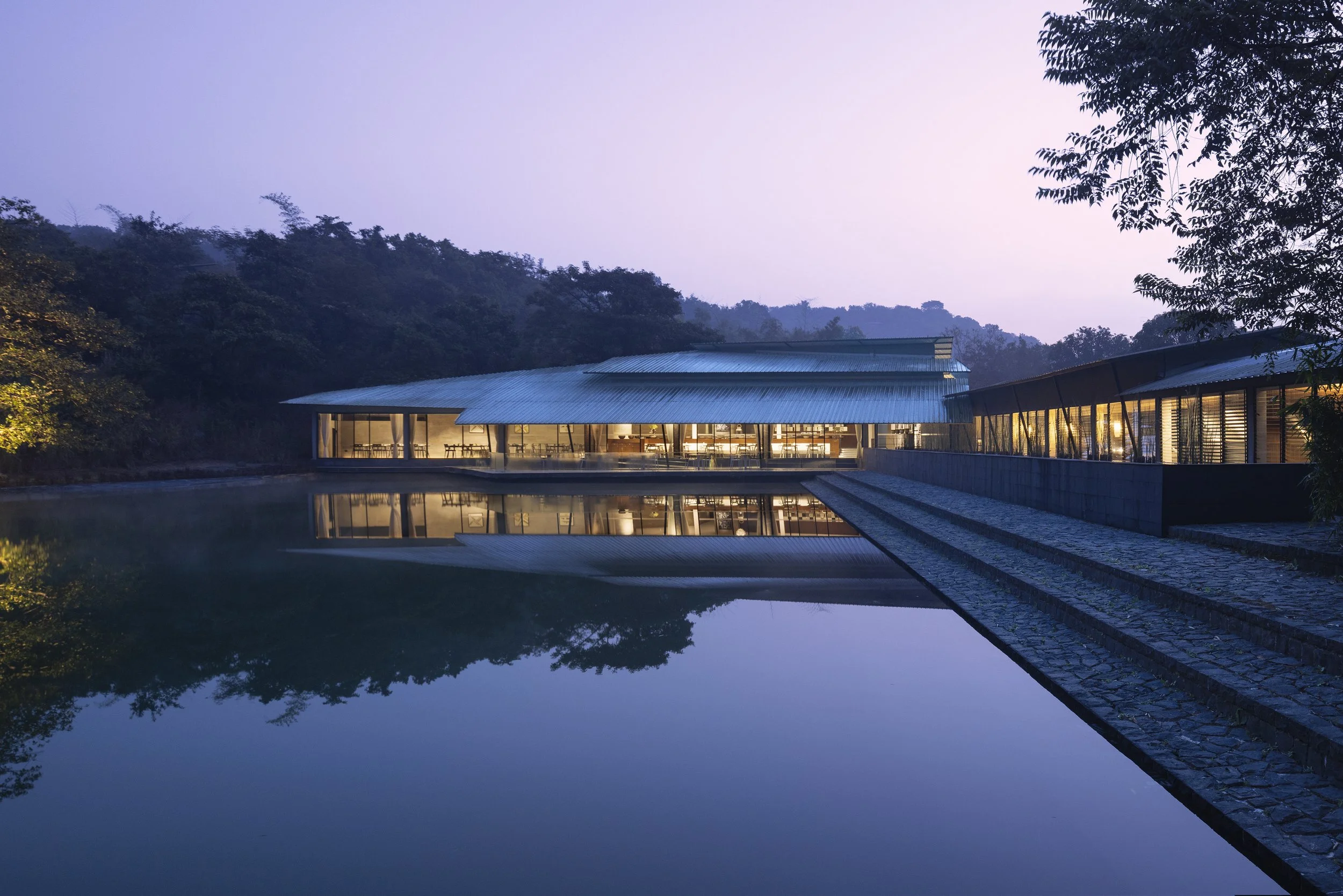
At Shillim, architecture takes a deliberately understated position. The villas are few and carefully placed, their forms following the contours of the land rather than imposing themselves upon it. Walls give way to glass; terraces open towards the forest; privacy is shaped as much by distance and vegetation as by the buildings themselves. Morning light travels deep into the rooms, while evenings draw the gaze outwards, towards the surrounding hills and the changing light across the valley.
What struck me was the relationship between the built environment and its setting. There is little sense of being enclosed within a resort, or of the landscape having been arranged for the benefit of its guests. Instead, the villas offer shelter and a measure of seclusion, leaving the valley to remain the dominant presence. For the two of us, this meant that even the simplest moments—sitting together, watching the light change, having nowhere in particular to be—became part of the retreat.
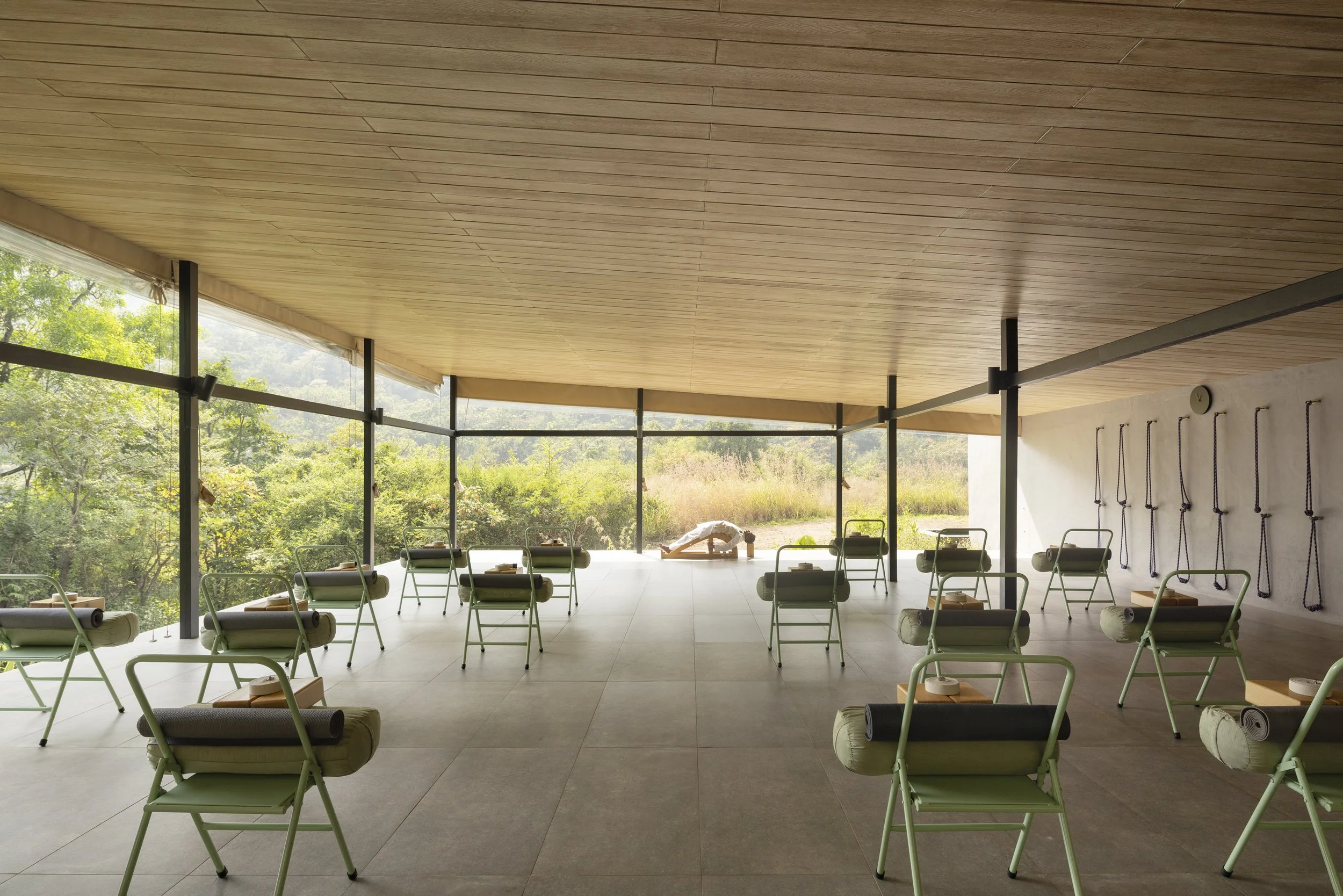
Yogshala.
The retreat’s design was shaped through dialogue—with the land, its ecology and the people who spent time studying its contours. Landscape and architectural collaborators first read the valley before determining where anything should be built. The result is an architecture that knows when to recede, leaving the topography as the dominant presence. Life here follows cycles rather than schedules. Ancient Ayurvedic practices, including the seasonal and daily disciplines of Ritucharya and Dincharya, sit alongside contemporary approaches to physiology and diagnostics. Rather than being folded into a single system, the two are allowed to retain their distinct ways of understanding health. One reads the body through measurable signals—metabolic markers, genetic predispositions and physiological data. The other attends to patterns experienced over time: digestion, energy, sleep and emotional state. Neither is presented as a complete account of the individual. The value lies in bringing the two readings together, allowing what is me
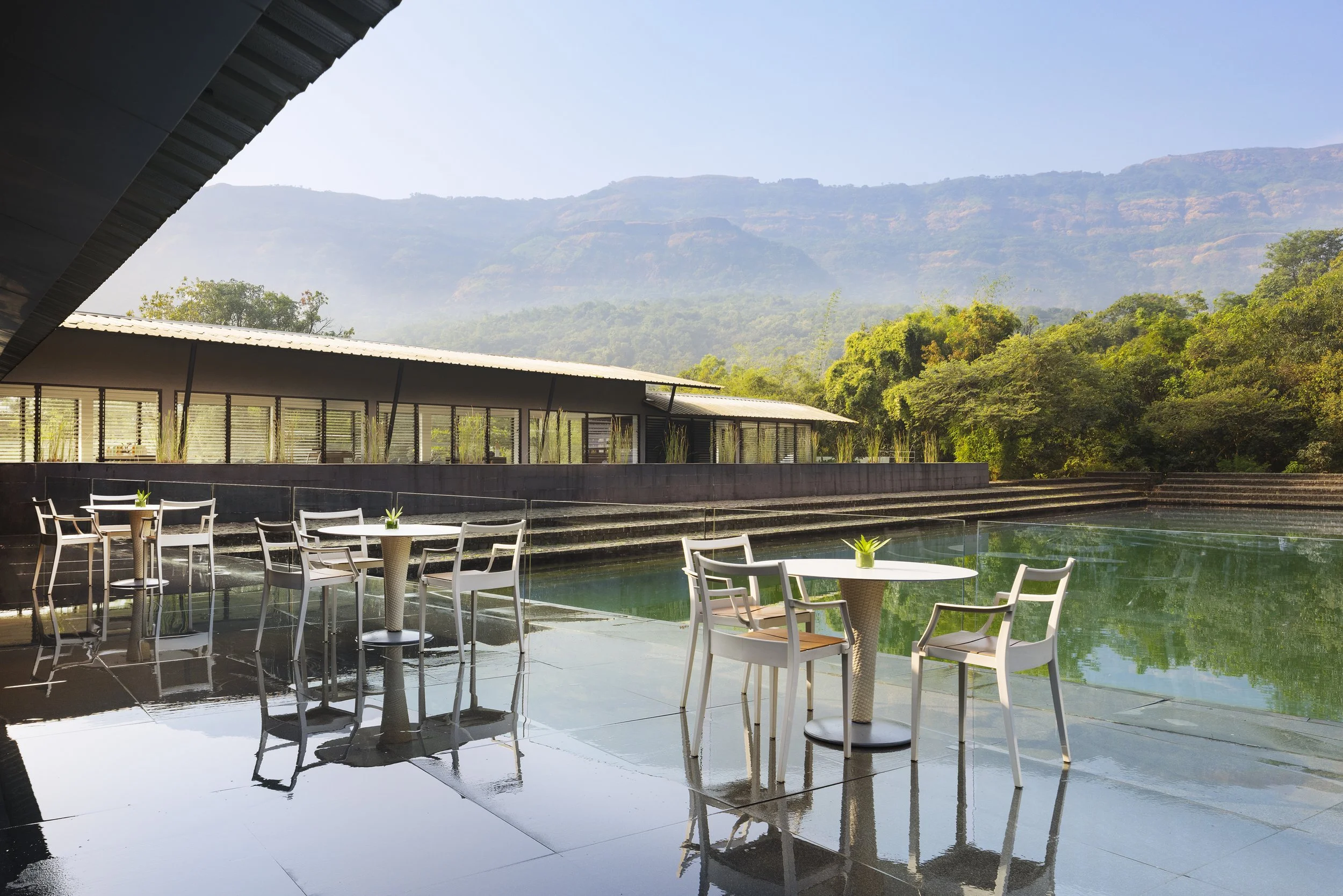
The Green Table.
Across the retreat, care is conceived as a continuum rather than a collection of individual treatments. The body is supported through restorative practices that bring clinical methods into conversation with traditional therapies. Nutrition follows the seasons, with food considered in relation to the landscape and the changing needs of the body rather than as a prescribed diet. Emotional wellbeing is approached through structured reflection and therapeutic practices drawing on behavioural science as well as older contemplative traditions. Underlying all of this is the cultivation of attention. It is not taught so much as absorbed through the conditions of the place: the pace of the day, the surrounding landscape and the space given to simply being present.
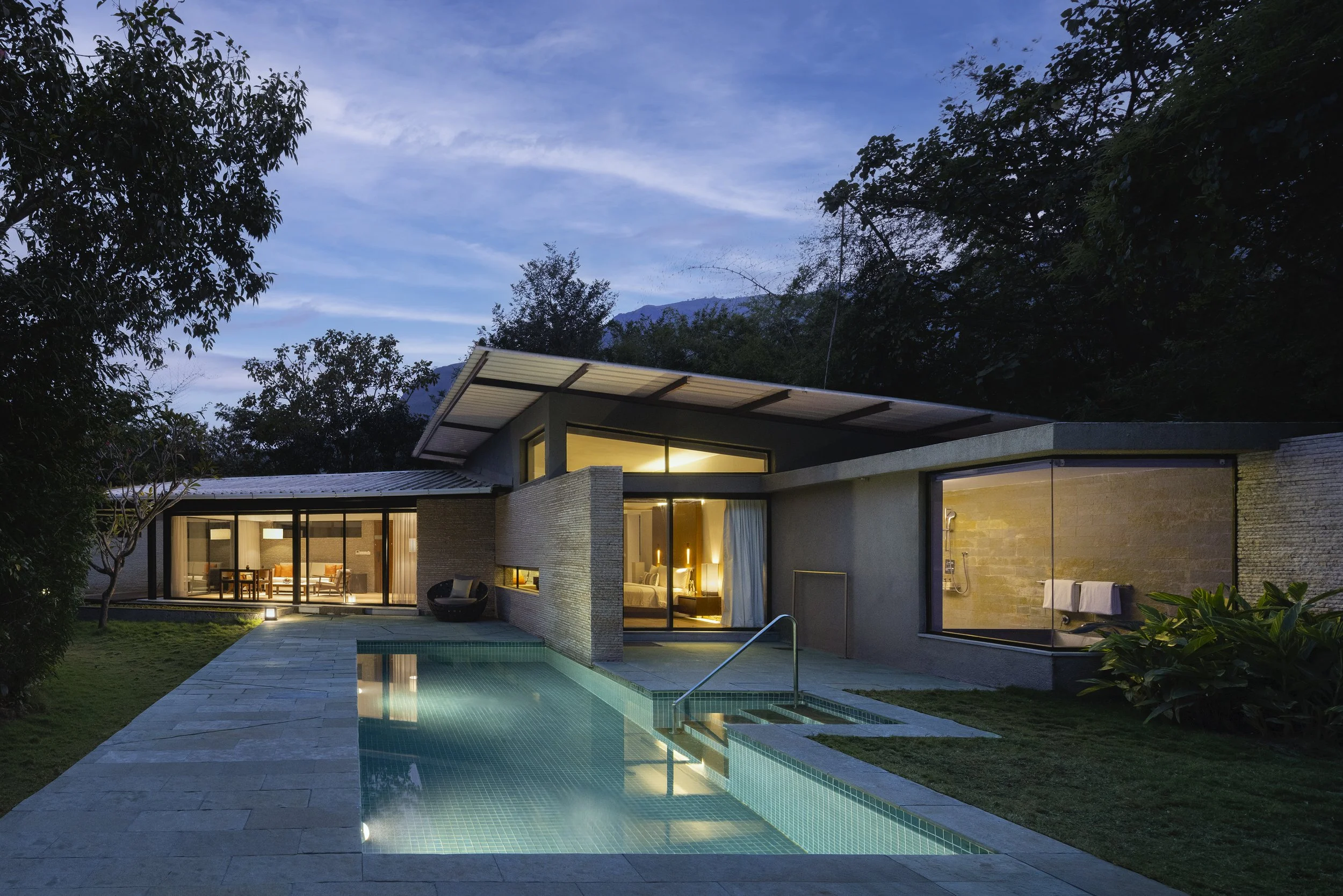
Pool Villa.
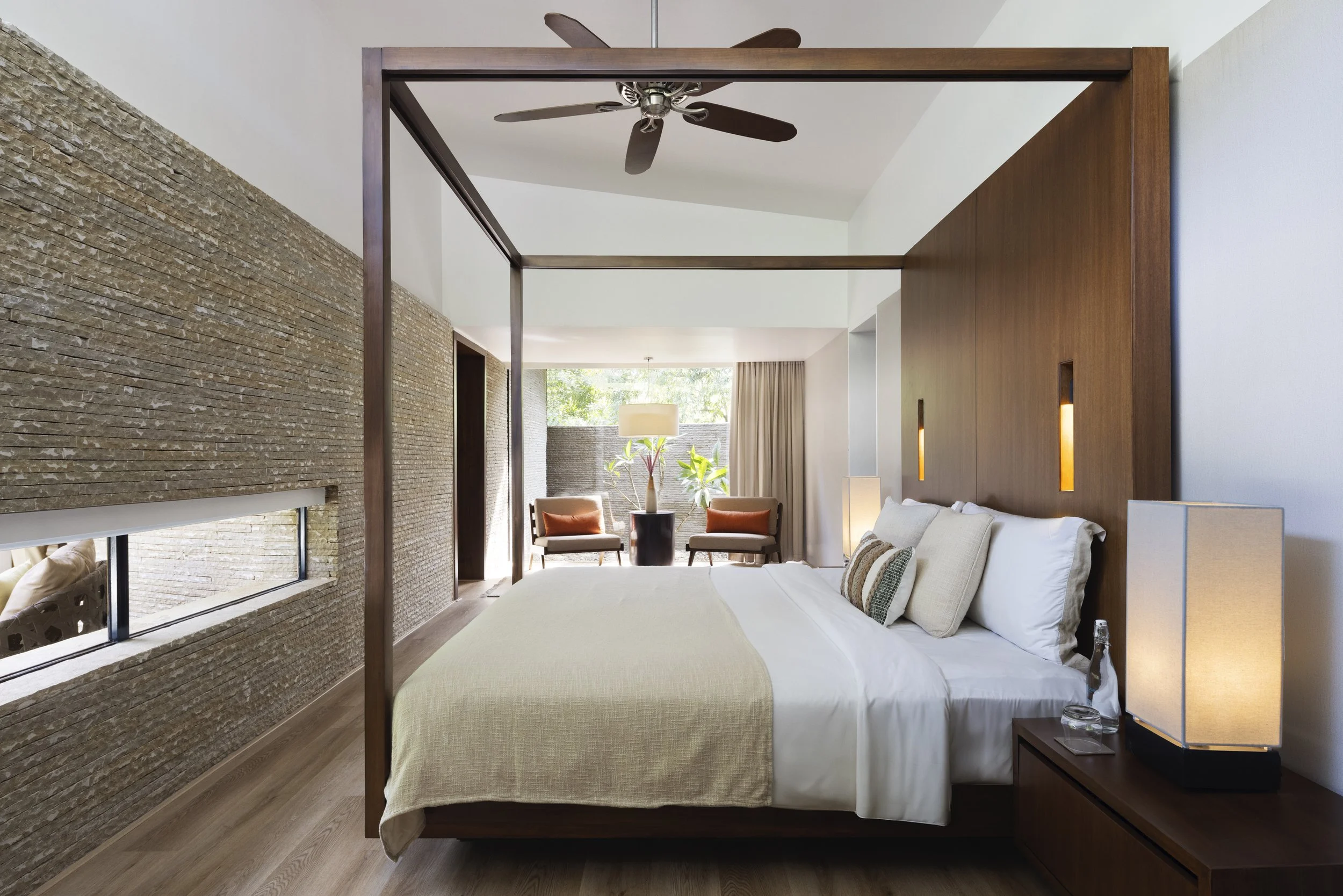
Pool Villa bedroom.
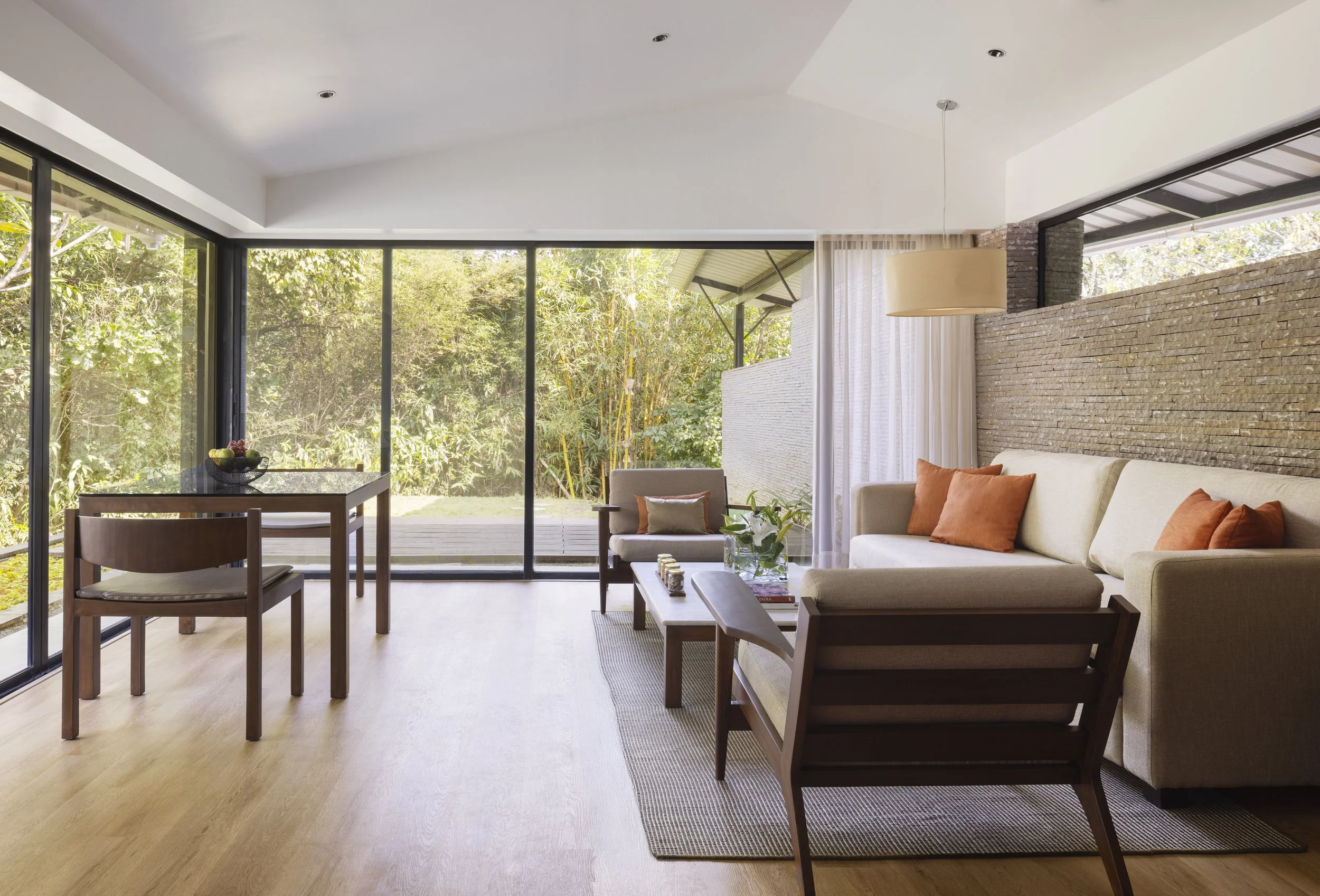
Pool Villa living room.
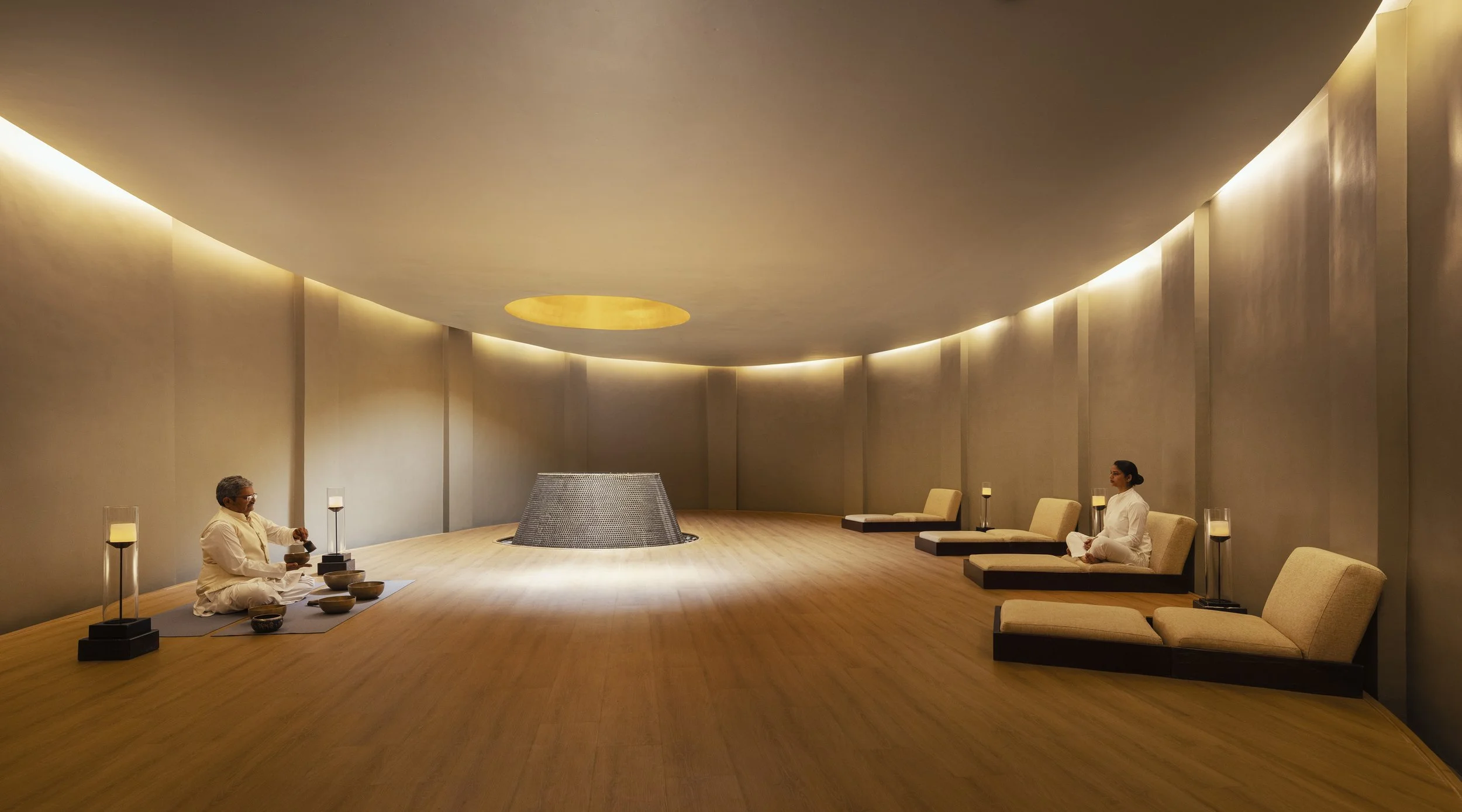
Dhyana meditation cave.
Meals extend this approach, shaped by seasonality, restraint and a clear sense of where ingredients come from. The cooking draws on an understanding of elemental balance, with plant, microbial and wider ecological systems informing what appears on the plate. The dining spaces follow the same logic as the architecture, settling into the landscape rather than competing with it. Over time, wellbeing here begins to feel less like an immediate effect than a cumulative one. The measure is not relief or escape, but the small changes that become apparent over several days, sometimes weeks: sleep settling into a different pattern, digestion becoming more regular, attention holding for a little longer. The vocabulary shifts accordingly, from indulgence towards calibration. Yet for all the systems underpinning the experience, the place never feels clinical. The valley remains present in its own terms—the density of the vegetation, sudden changes in weather, wildlife crossing the paths. These are not scenery to be looked at from a distance. They become part of the experience itself, exerting their influence without prescription or instruction.
At its core, Dharana at Shillim brings together two distinct ways of understanding wellbeing: inherited knowledge systems and contemporary science. Ayurveda and genomics are not collapsed into a single framework; each retains its own vocabulary and method, offering a different reading of the individual. What stays with you after time in the valley is not a conclusion so much as a change in pace. Days begin to feel less crowded. Attention, accustomed to being pulled in several directions at once, has room to settle. And perhaps that is the most lasting proposition of Shillim: that when attention is given the space to gather, even briefly, it can change the way one returns to the world.