

Art Basel, Basel, 2026
From 18–21 June 2026, Art Basel in Basel returns as a condensed focal point of the international art world, where attention gathers around a dense concentration of museum-quality works, leading galleries, collectors, artists, and institutions. Here are my favourite works from the fair.

The fair’s defining condition lies not only in what is shown, but in the intensity of encounter it produces—works arriving into visibility within a single, shared frame of time and place. A new initiative for 2026, Basel Exclusive, developed in close dialogue with participating galleries, sharpens this dynamic further by reserving selected major works for their first public presentation at the VIP opening. In doing so, the fair reinforces its position as a primary site of discovery, where the global circulation of contemporary art is momentarily suspended and reconfigured. Yet Basel operates as more than a singular event. Across the city, museum exhibitions, gallery programmes, and institutional presentations unfold in parallel, extending the fair into a wider cultural field. In this brief span, Basel becomes not simply a host to the market, but an active node of unveiling, exchange, and concentrated visibility within the global art ecosystem.
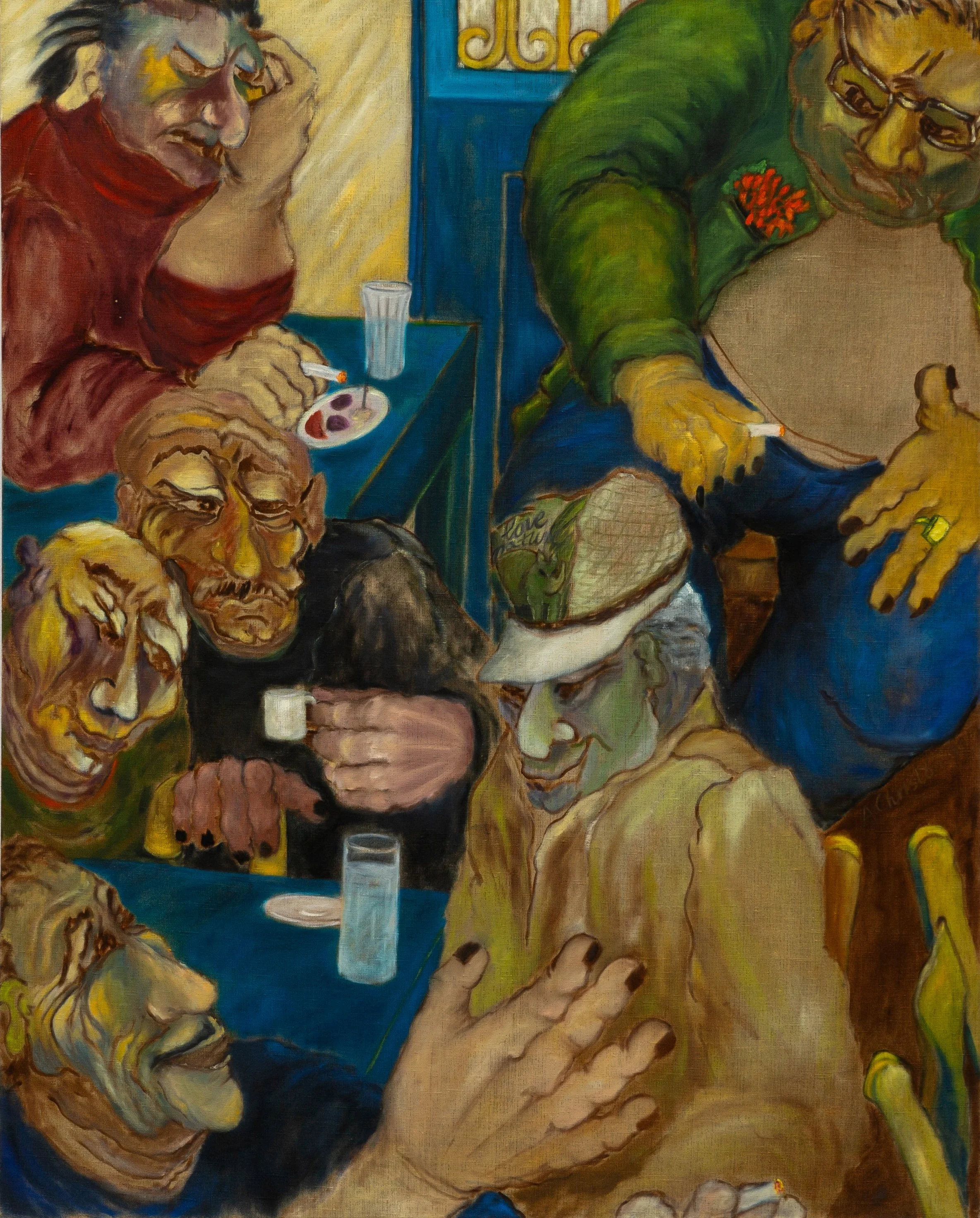
Untitled (Kafeneia Men Astypalaia Moussouris) by Alexandra Christou, oil on canvas. Image credit: Estate of Alexandra Christou and The Breeder.
The Breeder: Greece
Alexandra Christou’s paintings from the late 1980s and 1990s form a raw, intimate figurative language shaped by observation, proximity, and lived experience. In café interiors, street corners, and compressed domestic spaces, private and public life quietly fold into one another. Figures linger, gather, and wait—anchoring each scene with a disarming insistence of presence. Her compositions are tight, often shallow in depth, allowing gesture and bodily proximity to carry emotional weight: a suspended hand, a turned face, the charged silence between bodies. With a line that shifts between restraint and excess, she renders marginal or overlooked subjects—particularly women—with directness and unromanticised empathy. What emerges is a practice that collapses distance between looking and being looked at, where scenes feel encountered rather than staged. In Christou’s work, intimacy and exposure coexist without resolution, and everyday gestures hold the quiet density of lived time.
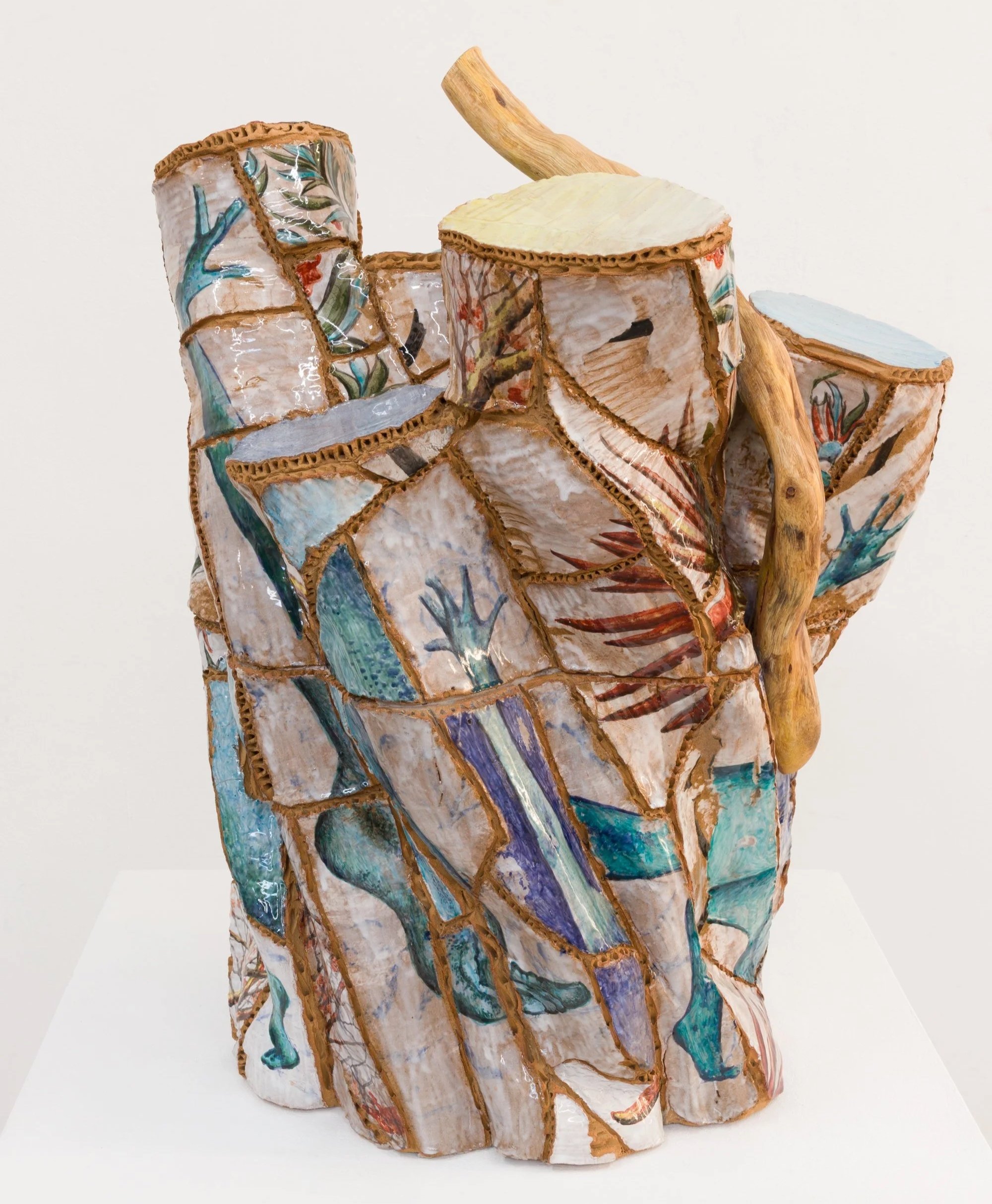
Dançando Paisagens (Dancing Landscapes) by Rodrigo Torres, glazed stoneware and wood. Image credit: XXXXXXX
A Gentil Carioca: Brazil
Rodrigo Torres’s Dançando Paisagens (Dancing Landscapes) begins with a return to material as memory, shaped through ancestral craft and a sustained attention to natural transformation. Working against what he describes as “predatory industrial production,” the series proposes a slower rhythm of making—one grounded in contact with the earth, and the continual exchange of absorbing, transforming, and transmitting knowledge. Through a language of collage, his sculptures operate through fragmentation and layered reference, where forms overlap and shift like sedimented perception. These structures produce subtle optical displacements, drawing the viewer into unstable readings of surface and depth. Forms and textures are interwoven rather than resolved, so that each shift in viewpoint reveals a different register of the work. In this gradual unfolding, Torres’s practice becomes less about fixed objecthood than about a poetics of perception—where material itself seems to think, and to change as it is seen.
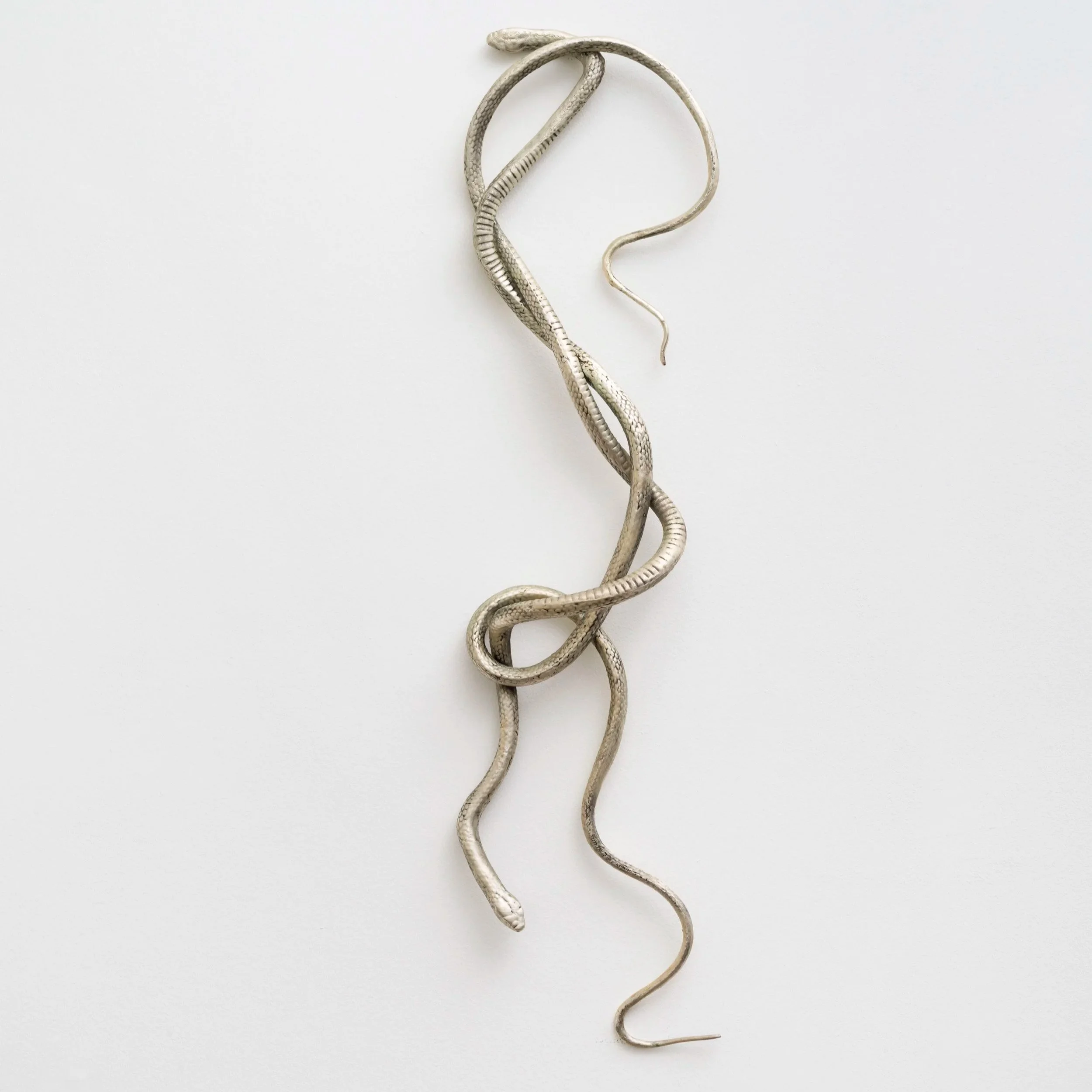
Anatomy of an Agreement by Bojan Sarcevic, silver-plated bronze. Image credit: BQ, and photography by Roman März.
BQ: Germany
jnkdnkjdjnkdnkjdnkjnkjhsbwygueyywgewuygwijojnddnkjdnknkjnkdnkjdjnkdnkjdnkjnkjhsbwygueyywgewuygwijojnddnkjdnknkjnkdnkjdjnkdnkjdnkjnkjhsbwygueyywgewuygwijojnddnkjdnknkjnkdnkjdjnkdnkjdnkjnkjhsbwygueyywgewuygwijojnddnkjdnknkjnkdnkjdjnkdnkjdnkjnkjhsbwygueyywgewuygwijojnddnkjdnknkjnkdnkjdjnkdnkjdnkjnkjhsbwygueyywgewuygwijojnddnkjdnknkjnkdnkjdjnkdnkjdnkjnkjhsbwygueyywgewuygwijojnddnkjdnknkjnkdnkjdjnkdnkjdnkjnkjhsbwygueyywgewuygwijojnddnkjdnknkjnkdnkjdjnkdnkjdnkjnkjhsbwygueyywgewuygwijojnddnkjdnknkjnkdnkjdjnkdnkjdnkjnkjhsbwygueyywgewuygwijojnddnkjdnknkjnkdnkjdjnkdnkjdnkjnkjhsbwygueyywgewuygwijojnddnkjdnknkjnkdnkjdjnkdnkjdnkjnkjhsbwygueyywgewuygwijojnddnkjdnknkjnkdnkjdjnkdnkjdnkjnkjhsbwygueyywgewuygwijojnddnkjdnknkjnkdnkjdjnkdnkjdnkjnkjhsbwygueyywgewuygwijojnddnkjdnknk.
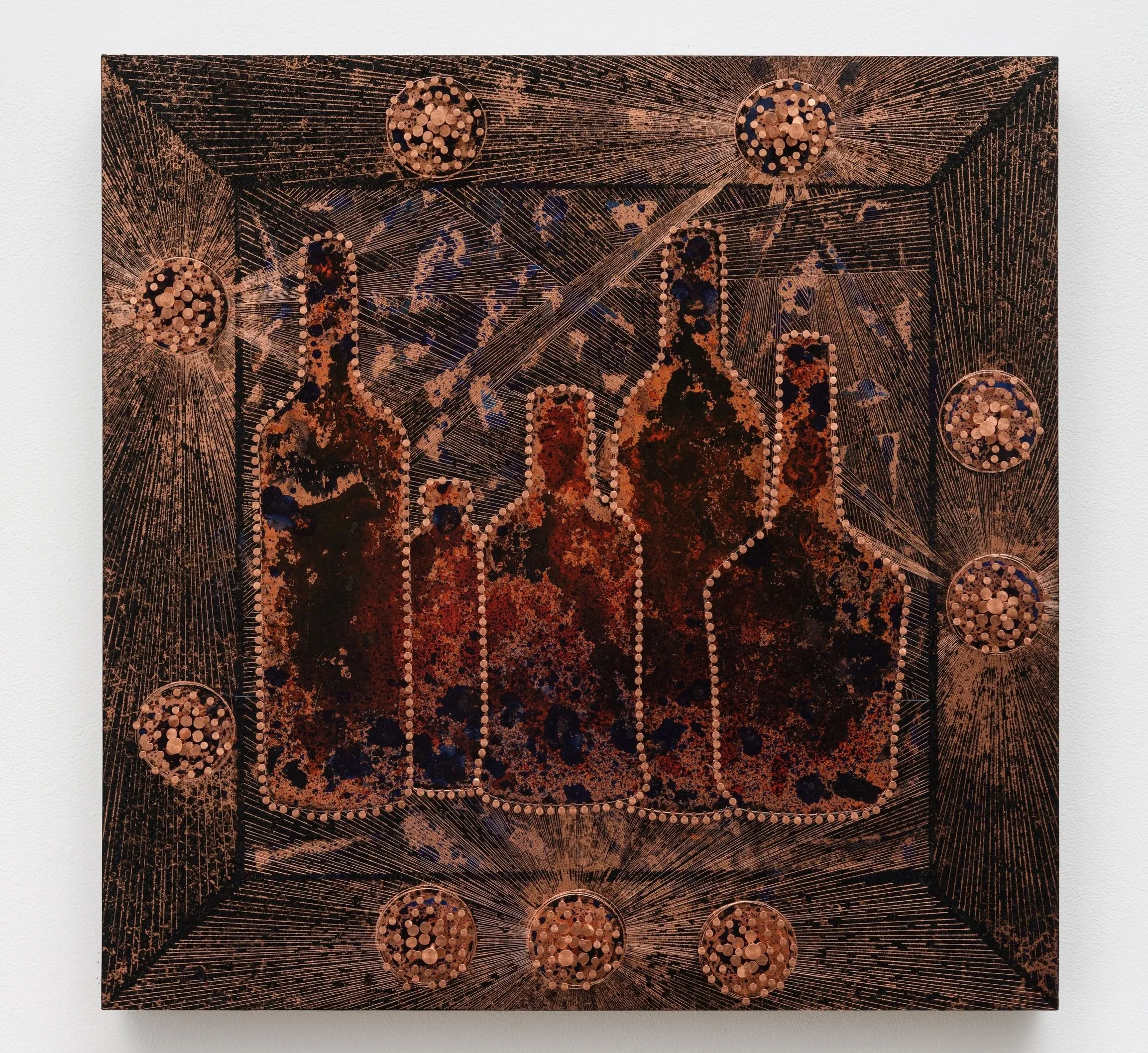
Still Livin’ Ceaseless by Nari Ward, copper nails, copper sheet, darkening patina. Image credit: Lehmann Maupin, and photography by Daniel Kukla.
Lehmann Maupin: USA, UK, Seoul
jnkdnkjdjnkdnkjdnkjnkjhsbwygueyywgewuygwijojnddnkjdnknkjnkdnkjdjnkdnkjdnkjnkjhsbwygueyywgewuygwijojnddnkjdnknkjnkdnkjdjnkdnkjdnkjnkjhsbwygueyywgewuygwijojnddnkjdnknkjnkdnkjdjnkdnkjdnkjnkjhsbwygueyywgewuygwijojnddnkjdnknkjnkdnkjdjnkdnkjdnkjnkjhsbwygueyywgewuygwijojnddnkjdnknkjnkdnkjdjnkdnkjdnkjnkjhsbwygueyywgewuygwijojnddnkjdnknkjnkdnkjdjnkdnkjdnkjnkjhsbwygueyywgewuygwijojnddnkjdnknkjnkdnkjdjnkdnkjdnkjnkjhsbwygueyywgewuygwijojnddnkjdnknkjnkdnkjdjnkdnkjdnkjnkjhsbwygueyywgewuygwijojnddnkjdnknkjnkdnkjdjnkdnkjdnkjnkjhsbwygueyywgewuygwijojnddnkjdnknkjnkdnkjdjnkdnkjdnkjnkjhsbwygueyywgewuygwijojnddnkjdnknkjnkdnkjdjnkdnkjdnkjnkjhsbwygueyywgewuygwijojnddnkjdnknkjnkdnkjdjnkdnkjdnkjnkjhsbwygueyywgewuygwijojnddnkjdnknkjnkdnkjdjnkdnkjdnkjnkjhsbwygueyywgewuygwijojnddnkjdnknk.
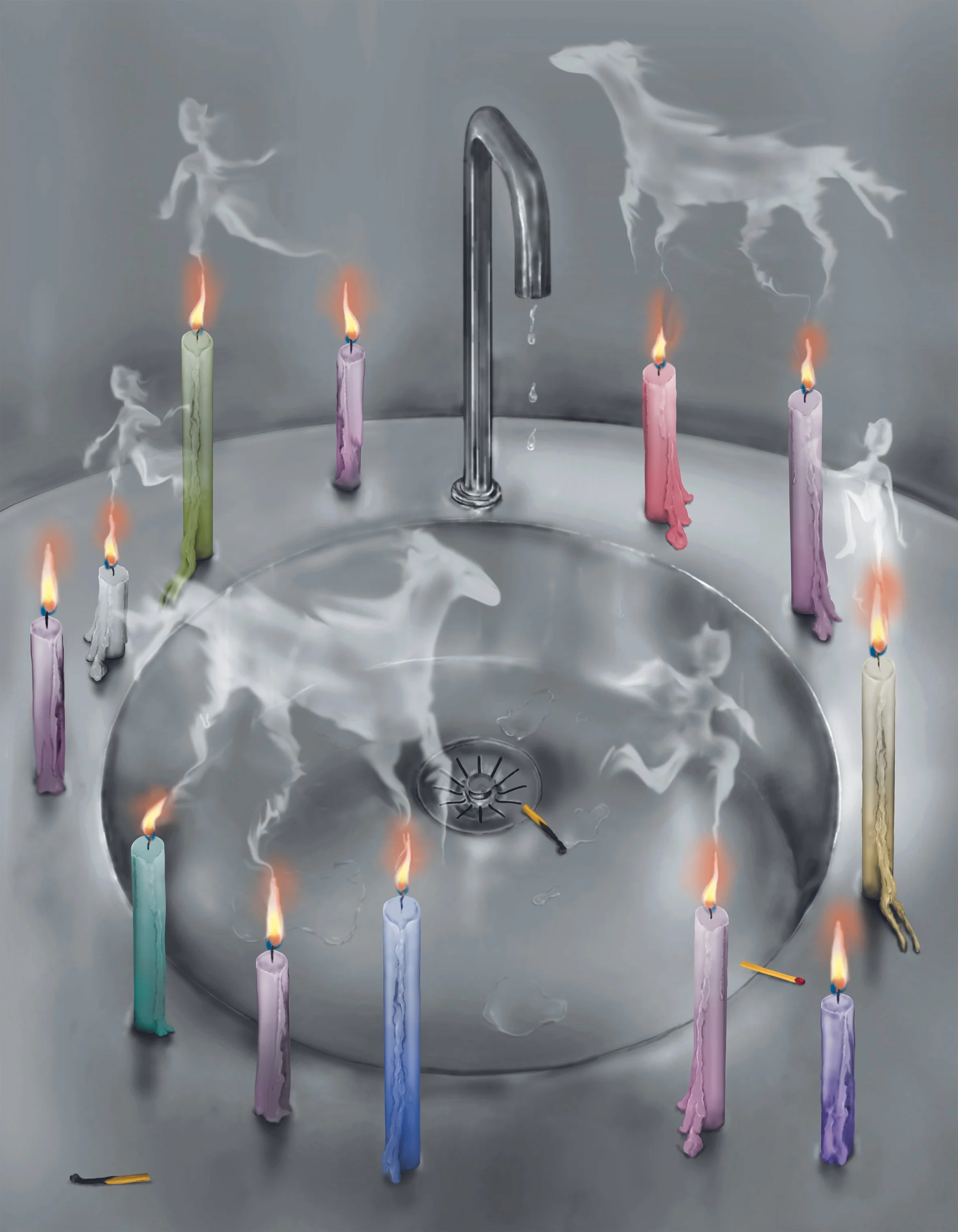
Galerie Eva Presenhuber, Horsing Around by Louisa Gagliardi, nail polish, ink on PVC. Image credit: the artist and Galerie Eva Presenhuber.
Galerie Eva Presenhuber: Zurich and Vienna
jnkdnkjdjnkdnkjdnkjnkjhsbwygueyywgewuygwijojnddnkjdnknkjnkdnkjdjnkdnkjdnkjnkjhsbwygueyywgewuygwijojnddnkjdnknkjnkdnkjdjnkdnkjdnkjnkjhsbwygueyywgewuygwijojnddnkjdnknkjnkdnkjdjnkdnkjdnkjnkjhsbwygueyywgewuygwijojnddnkjdnknkjnkdnkjdjnkdnkjdnkjnkjhsbwygueyywgewuygwijojnddnkjdnknkjnkdnkjdjnkdnkjdnkjnkjhsbwygueyywgewuygwijojnddnkjdnknkjnkdnkjdjnkdnkjdnkjnkjhsbwygueyywgewuygwijojnddnkjdnknkjnkdnkjdjnkdnkjdnkjnkjhsbwygueyywgewuygwijojnddnkjdnknkjnkdnkjdjnkdnkjdnkjnkjhsbwygueyywgewuygwijojnddnkjdnknkjnkdnkjdjnkdnkjdnkjnkjhsbwygueyywgewuygwijojnddnkjdnknkjnkdnkjdjnkdnkjdnkjnkjhsbwygueyywgewuygwijojnddnkjdnknkjnkdnkjdjnkdnkjdnkjnkjhsbwygueyywgewuygwijojnddnkjdnknkjnkdnkjdjnkdnkjdnkjnkjhsbwygueyywgewuygwijojnddnkjdnknkjnkdnkjdjnkdnkjdnkjnkjhsbwygueyywgewuygwijojnddnkjdnknk.
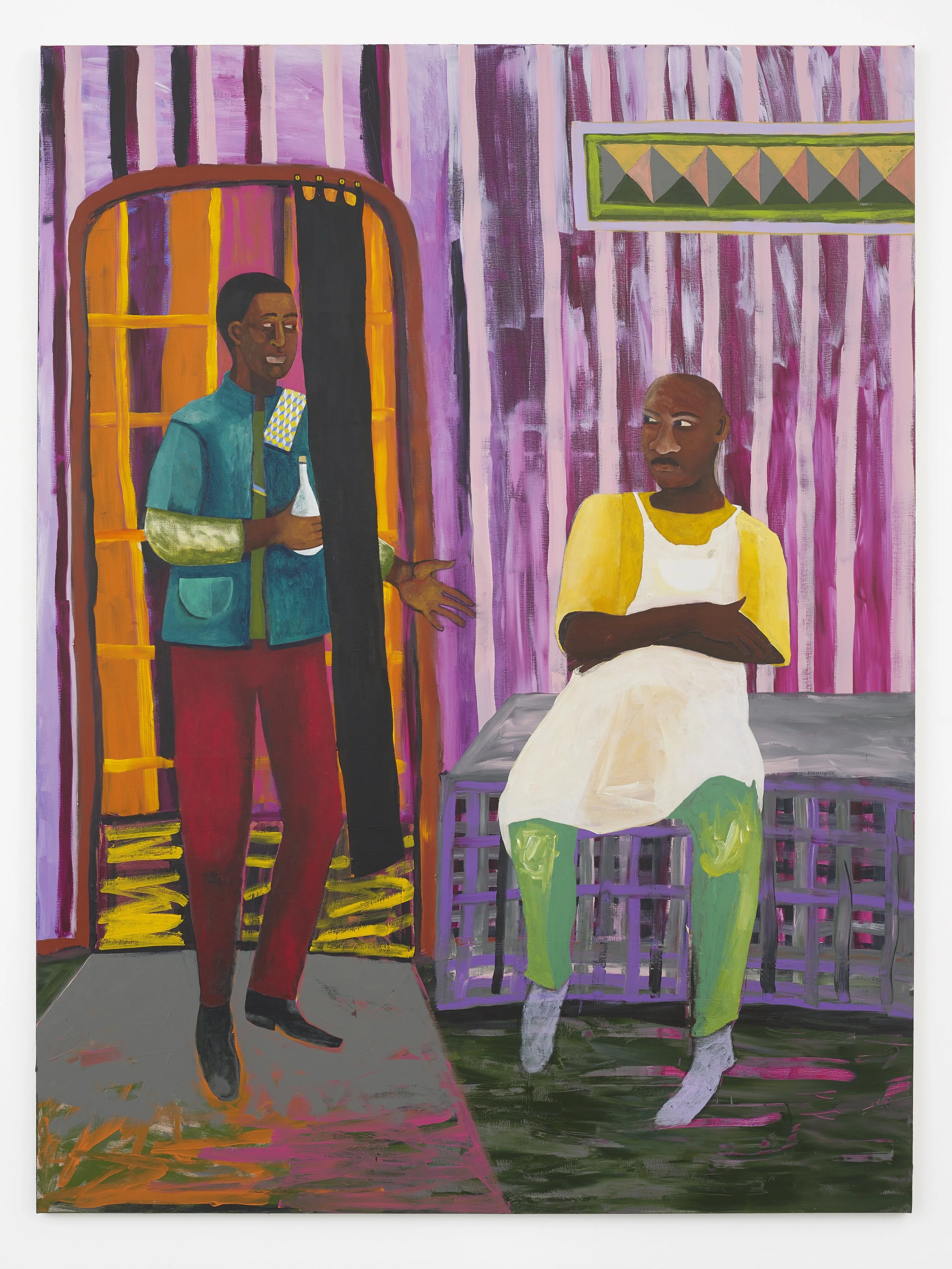
Repair Jobs by Lubaina Himid, acrylic and charcoal on linen. Image credit: the artist, Hollybush Gardens, London and Greene Naftali, New York, and photography by Andy Keate.
Hollybush Gardens: England
jnkdnkjdjnkdnkjdnkjnkjhsbwygueyywgewuygwijojnddnkjdnknkjnkdnkjdjnkdnkjdnkjnkjhsbwygueyywgewuygwijojnddnkjdnknkjnkdnkjdjnkdnkjdnkjnkjhsbwygueyywgewuygwijojnddnkjdnknkjnkdnkjdjnkdnkjdnkjnkjhsbwygueyywgewuygwijojnddnkjdnknkjnkdnkjdjnkdnkjdnkjnkjhsbwygueyywgewuygwijojnddnkjdnknkjnkdnkjdjnkdnkjdnkjnkjhsbwygueyywgewuygwijojnddnkjdnknkjnkdnkjdjnkdnkjdnkjnkjhsbwygueyywgewuygwijojnddnkjdnknkjnkdnkjdjnkdnkjdnkjnkjhsbwygueyywgewuygwijojnddnkjdnknkjnkdnkjdjnkdnkjdnkjnkjhsbwygueyywgewuygwijojnddnkjdnknkjnkdnkjdjnkdnkjdnkjnkjhsbwygueyywgewuygwijojnddnkjdnknkjnkdnkjdjnkdnkjdnkjnkjhsbwygueyywgewuygwijojnddnkjdnknkjnkdnkjdjnkdnkjdnkjnkjhsbwygueyywgewuygwijojnddnkjdnknkjnkdnkjdjnkdnkjdnkjnkjhsbwygueyywgewuygwijojnddnkjdnknkjnkdnkjdjnkdnkjdnkjnkjhsbwygueyywgewuygwijojnddnkjdnknk.