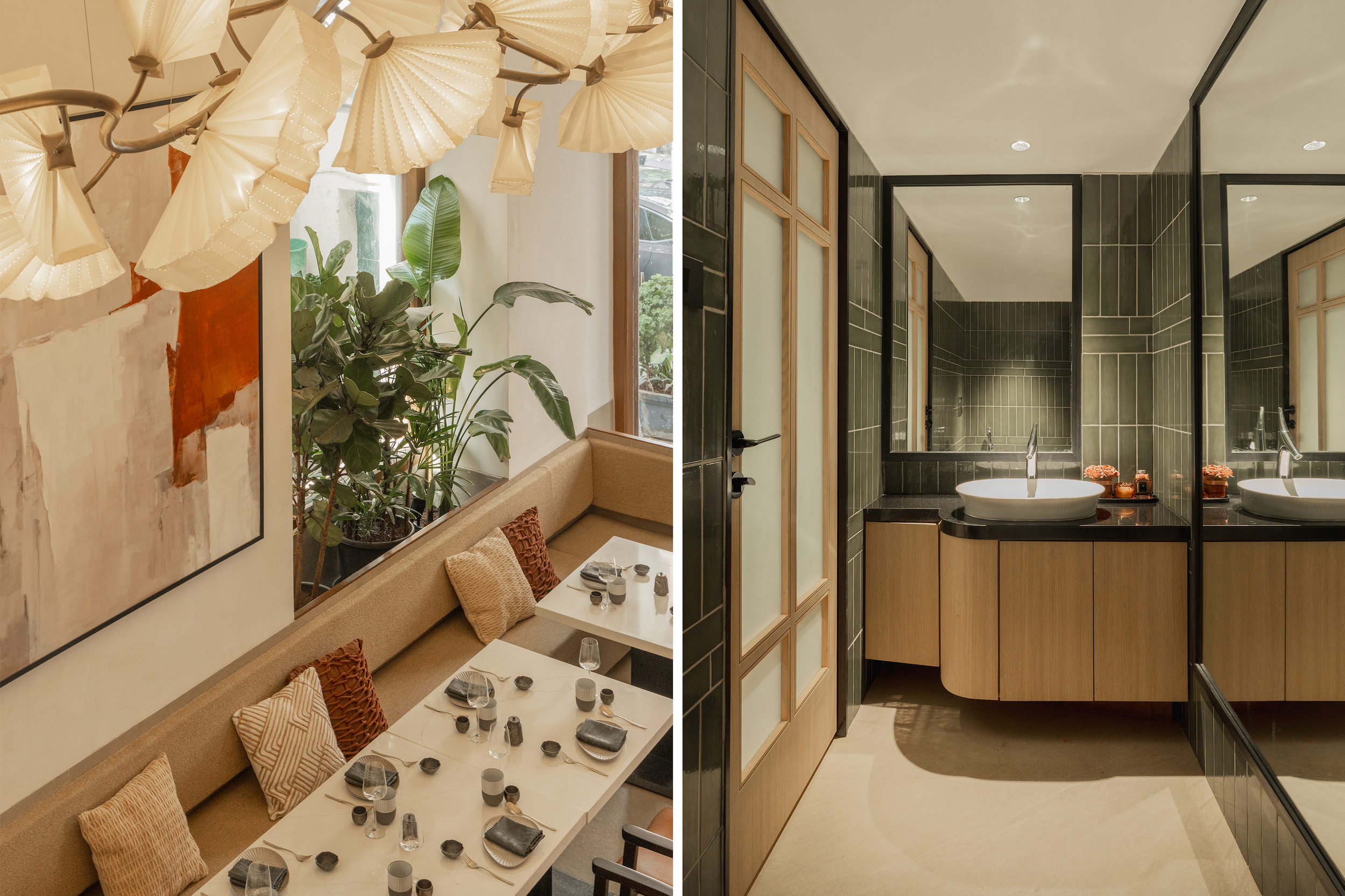
This was the best date night of a rare kind—made special first by who I was with, and then by where we chose to be. My mother and I dined at Otoki. She is someone who shares an equal devotion to Japanese cuisine and stationery. The Colaba restaurant sidesteps conventional minimalism in favour of restraint with intent: warm timber, muted burnished metals, and a palette of neutrals. Every detail is considered—from the weight of the spoon to the soy sauce carrier, to the Japanese flowers in the powder room.

Light filters through arched windows. Outside, the city bustles—but at a comfortable distance. Otoki’s interiors are carefully edited: weighty brass spoons, bamboo napkin holders keeping linen in place, cushions in jute, cream, and umber. The attentiveness extends to the edges. Even the powder room feels considered, with candles, mist spray, and flowers.
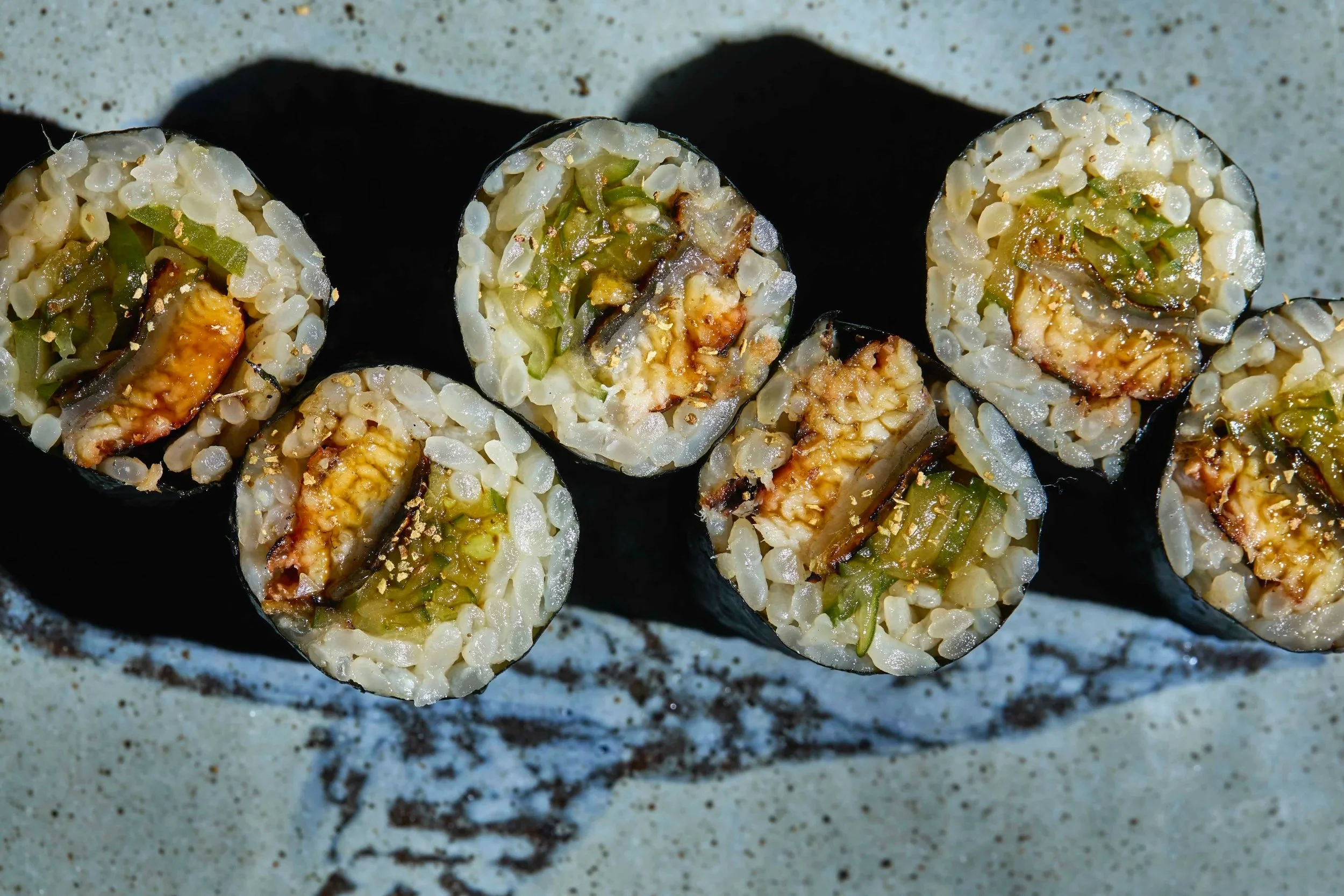
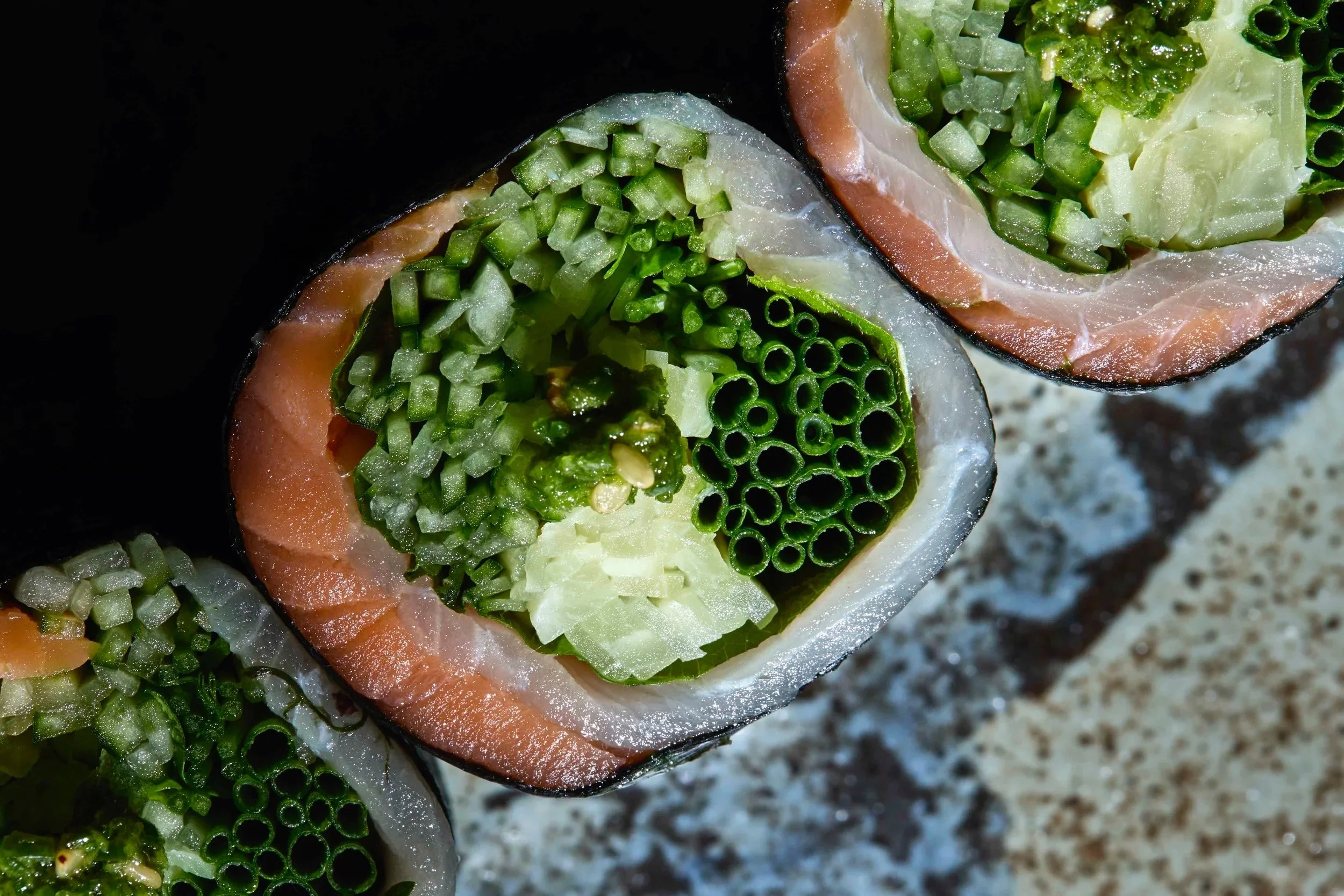
We began with Miso Wan (miso soup), often dismissed elsewhere as mere prelude. The homemade sesame tofu floated delicately, finished with carrots carved into flowers. Even the soy sauce carried Otoki’s philosophy: no mass-produced bottle, but a hand-thrown ceramic vessel, with soy sauce made in-house, of course. Sushi followed—Kabayaki Uzaku, Norimaki, and Yuzu Miso Roll. PrawnTempura came next: golden, weightless prawns, served with sauces and an array of salts—tentsuyu, momiji oroshi, fine negi, umami salt, and yukari. Notably, the tempura arrived ungarnished. You are meant to taste first, then decide for yourself how much—if anything—to layer on.
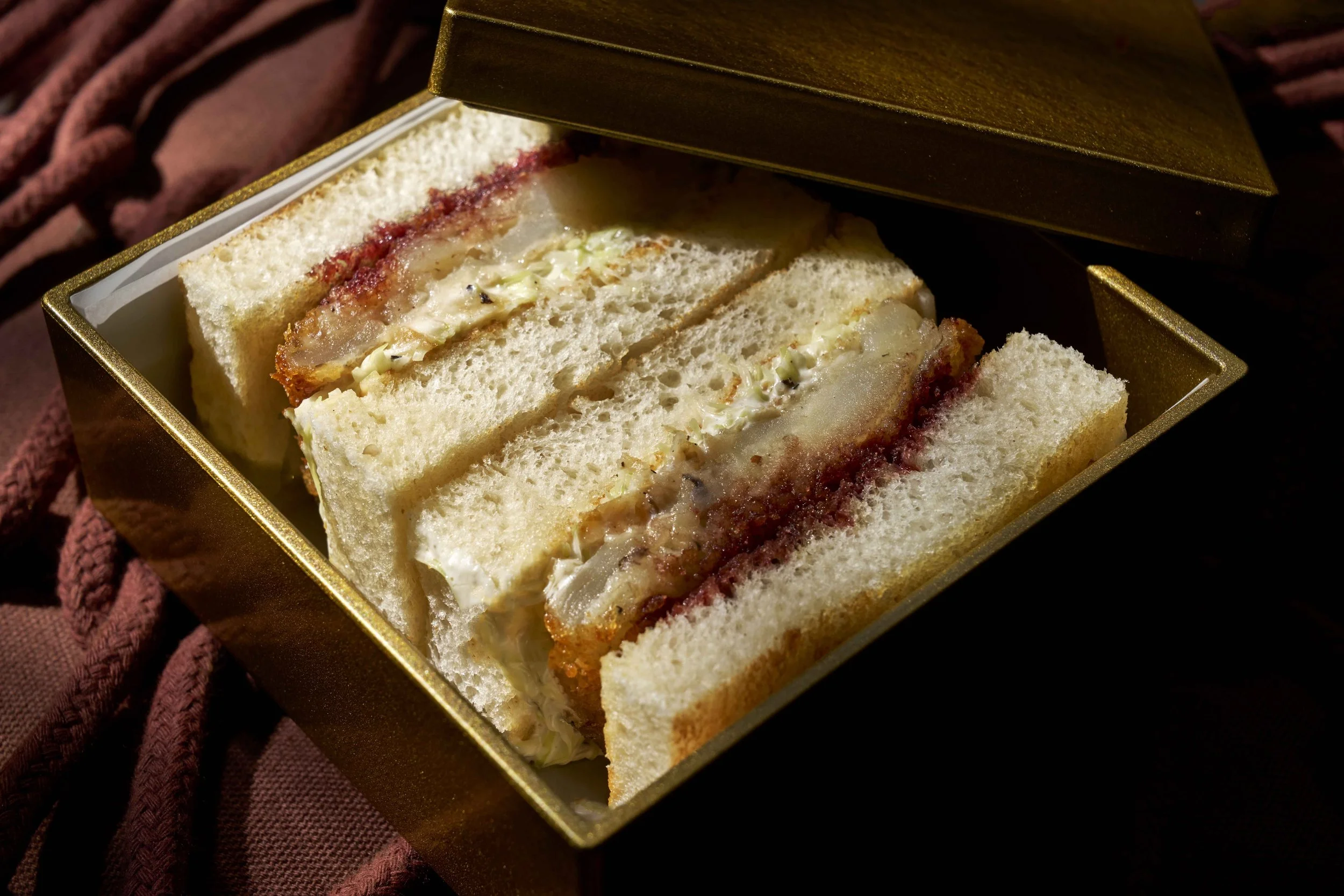
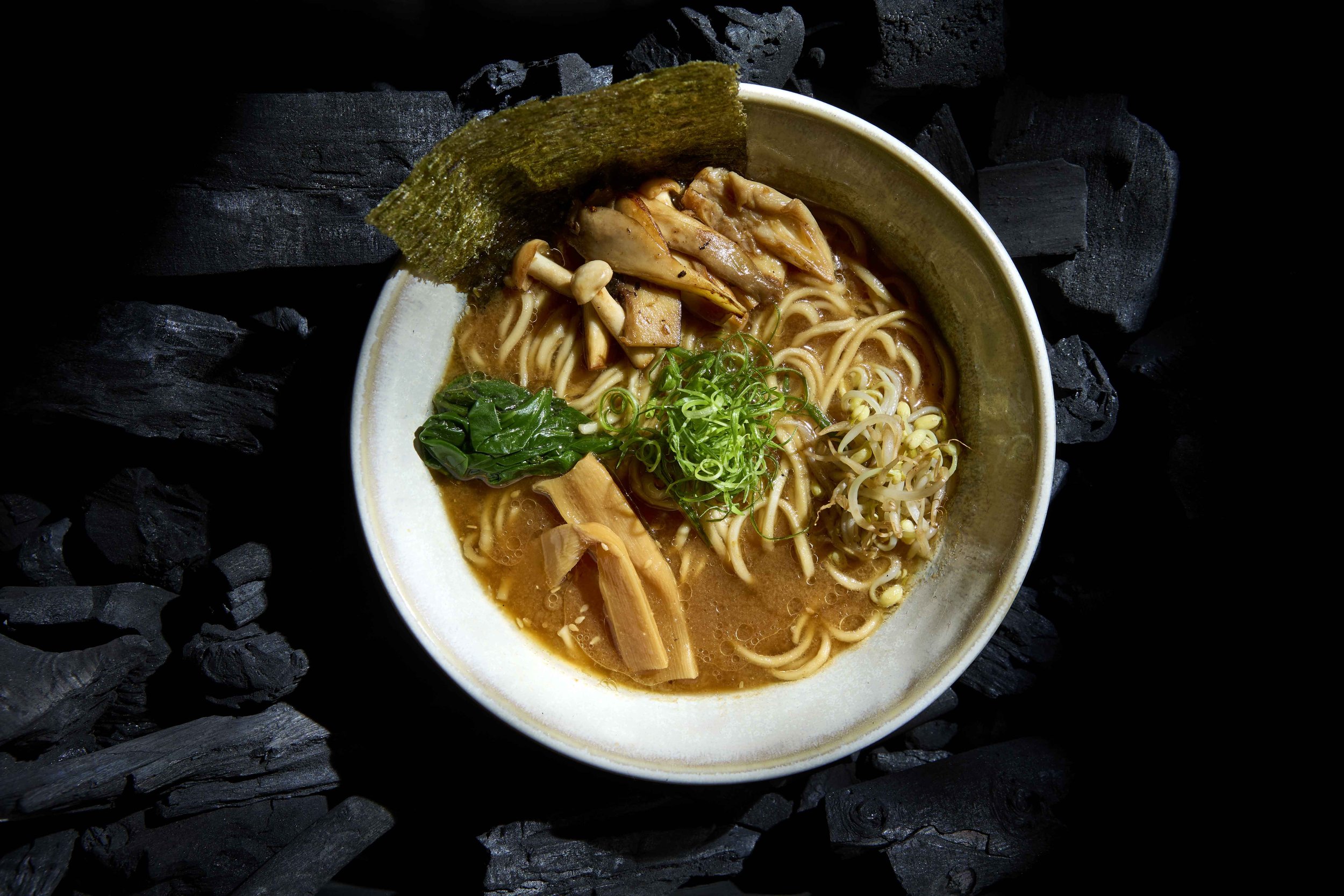
Then, the chef nudged us toward the Chicken Sando. “Sando”—short for sandoitchi—is Japan’s take on the sandwich, born in the late 19th and early 20th centuries when Western bakeries and shokupan, Japanese milk bread, entered daily life. The one we tried came filled with katsu chicken, cabbage slaw, and house sauce. From the robata arrived New Zealand Lamb Chops, lacquered with a miso-honey glaze, set against a smooth cauliflower purée and finished with sansho pepper—a Japanese citrusy spice derived from the berries of the ash tree. We moved on to Chicken and Egg Garlic Fried Rice, tossed in garlic butter and soy. Before dessert, Miso Vegetable Ramen arrived: grilled mushrooms, seaweed, and menma (fermented bamboo shoots). Dessert was the obvious—and right—choice: Warabi Mochi, in strawberry and mango.